









Tamatar Ka Bharta Recipe: Smoky Dhaba Taste You Can Make at Home
 Sagar Dubal

12 October 2026
Tamatar ka bharta is a traditional, smoky mash of roasted tomatoes, along with lightly roasted garlic, chillies, and a few masalas. This is one of the most comforting side dishes in Indian homemade cooking.
You can make this dish in just 20 minutes, and it tastes better than the one you'd get at a dhaba.
A key ingredient that makes this variant unique is ganthoda powder, which most bharta recipes don't use. It’s a traditional Ayurvedic spice made from the dried roots of the Piper longum plant.
Ganthoda has been used in many Indian homes for ages, especially in winter dishes. This spice adds a warm, earthy, slightly strong depth to any dish that no other spice can replace.
Why You Will Love This Recipe
- This recipe gives you a smoky, deeply flavoured bharta that tastes like the kind you'd find in a proper dhaba kitchen.
- You can make this dish in just 20 minutes without any extra effort.
- This recipe contains ganthoda powder. It adds a unique warmth and gives depth to the dish.
- You can pair this dish with roti, paratha, dal-rice, or even bread toast.
- It’s naturally vegan and gluten-free.
Ingredients
-
5 to 6 tomatoes
-
4 to 5 garlic cloves
-
2 to 3 dried red chillies
-
2 sliced onions
-
2 tbsp oil
-
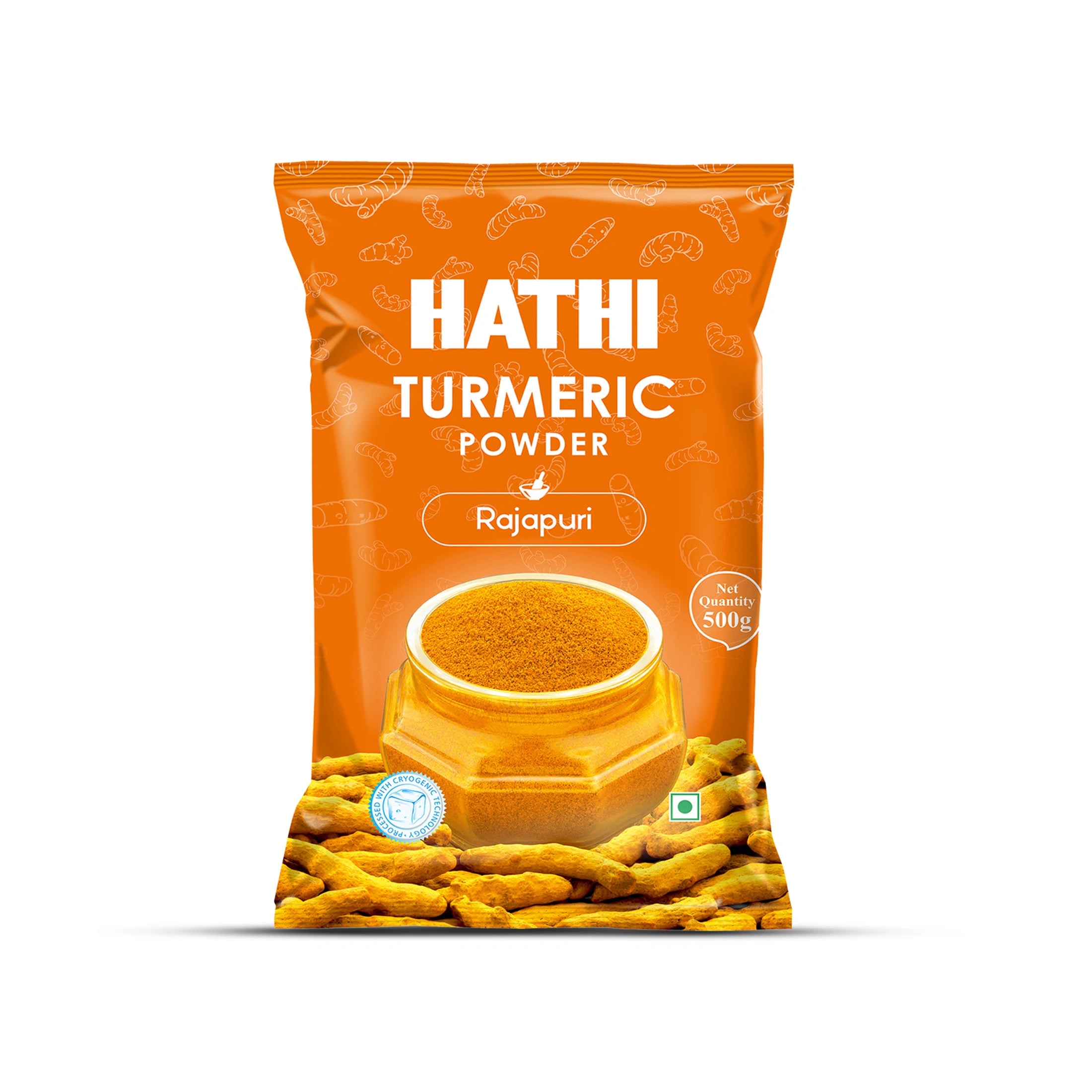
¼ tsp turmeric powder
-
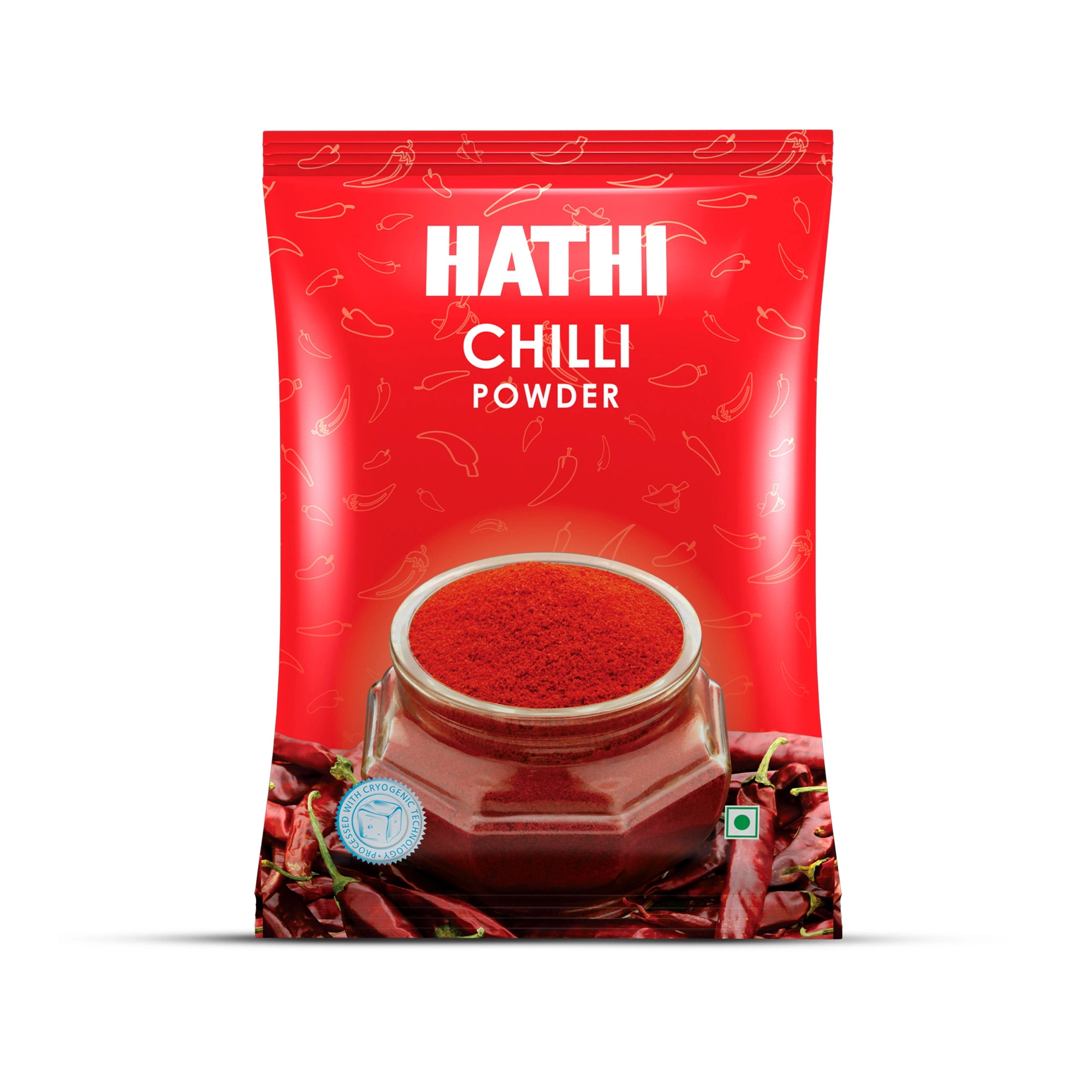
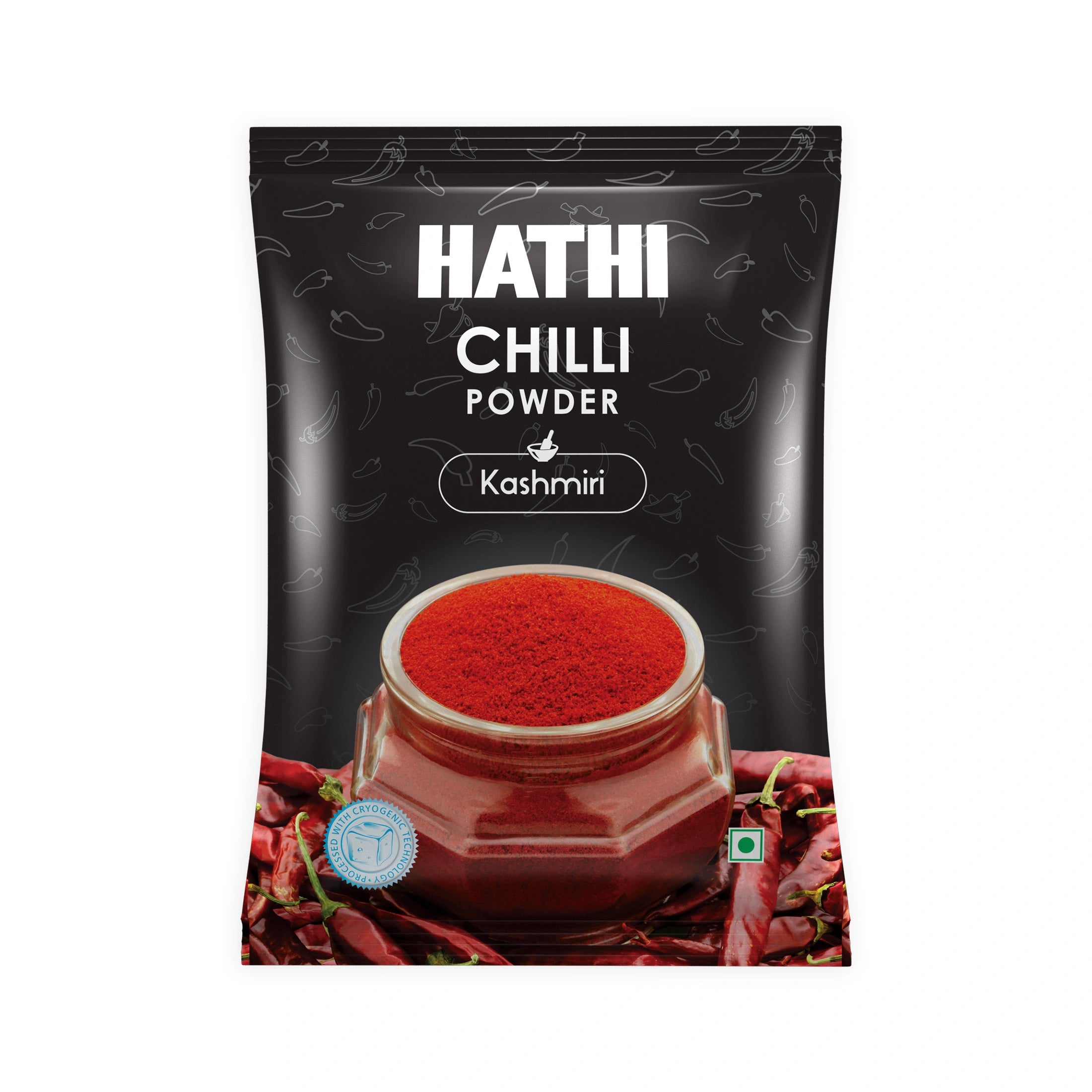
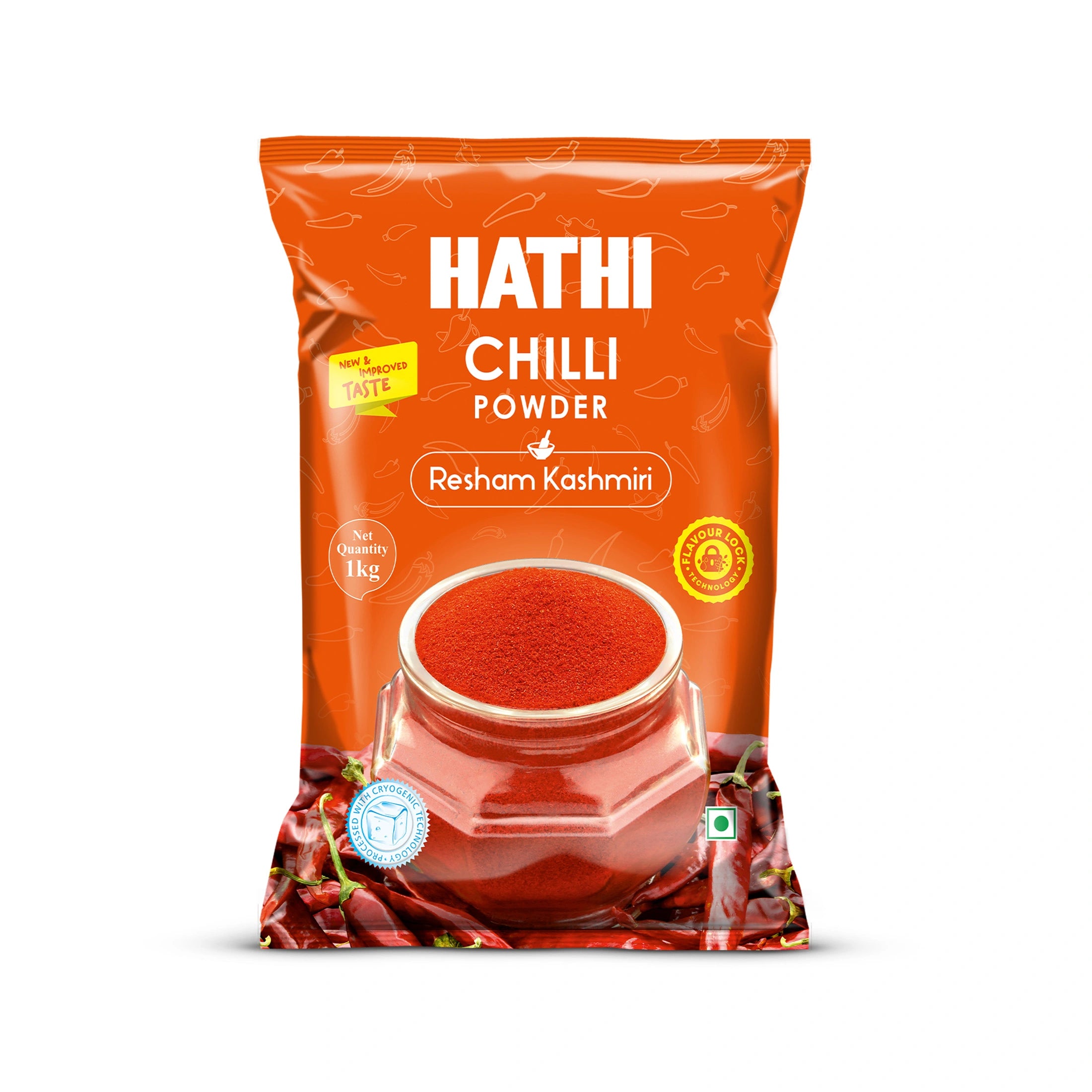
½ tsp Kashmiri chilli powder
-
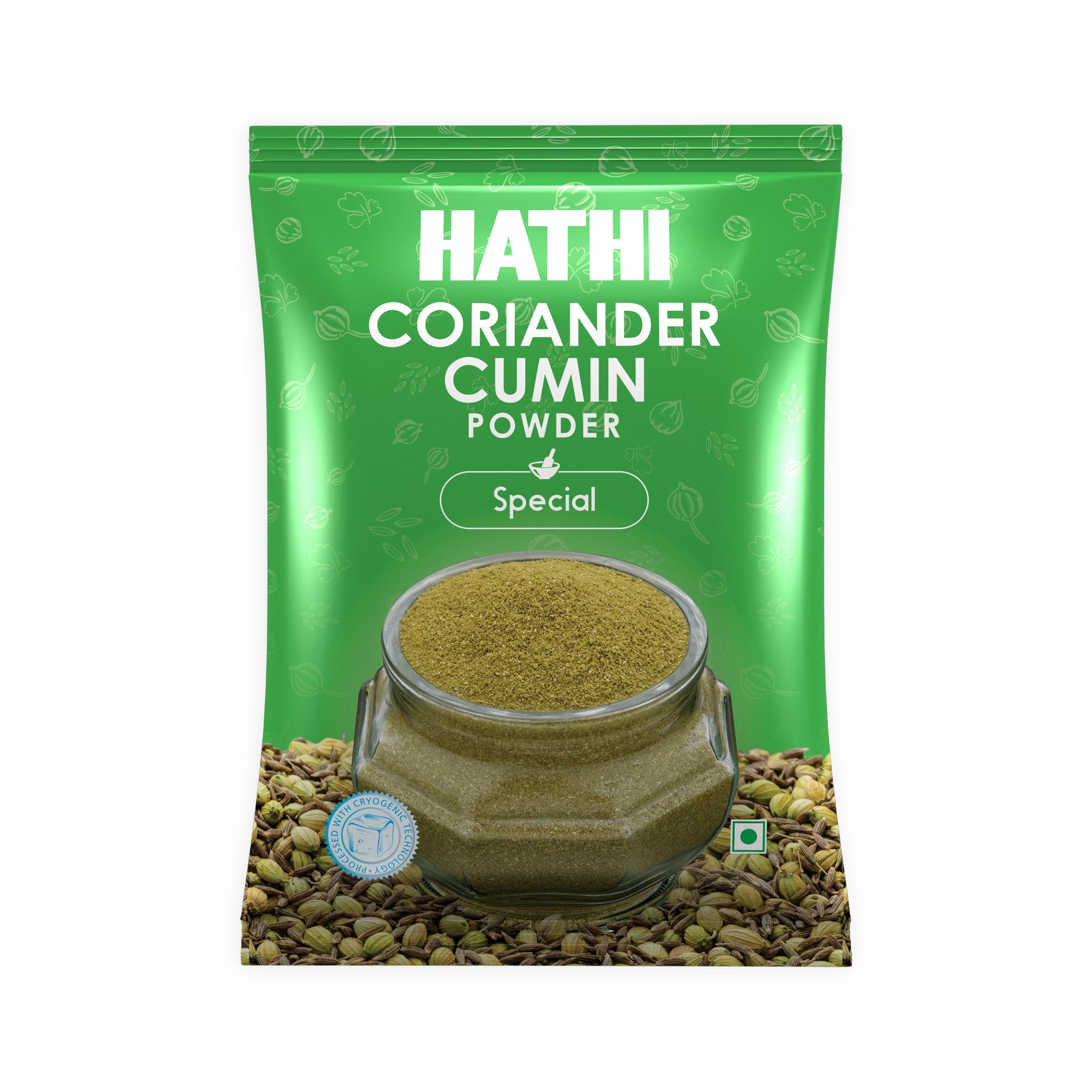
½ tsp coriander powder
-
¼ tsp ganthoda powder
-
Salt, to taste
-
Finely chopped coriander leaves
How To Make Tamatar Bharta

Step 1: Dry roast the garlic cloves along with dry red chillies
Take a wide pan and heat it on medium flame. After that, add the garlic cloves (with skin) and the dried lal mirch. Dry-roast both of these for 2-3 minutes, stirring as needed. When you notice slight burning on the outer layer of the garlic and the chilies swell and become aromatic, remove them from the pan and let them cool.
Step 2: Roast the ripe tomatoes
In the same pan, add 1 tbsp of oil and heat over medium-high flame. Then place the tomatoes, cut side down, in the pan. Let them cook without touching for 4-5 minutes until the cut sides are caramelized. Turn them over and cook on the other side for another 3-4 minutes. Make sure the tomatoes are completely soft and charred in spots.
For extra smokiness: Roast the whole tomatoes directly over a gas flame, turning them with tongs. Roast them until the skin is blackened all over. Peel the skin before proceeding with the recipe.
Step 3: Properly caramelize the onions
In a different pan, heat 1 tbsp of oil. Add the sliced onions and cook for 7-8 minutes over medium heat, until they caramelize and turn a deep, rich golden.
Give the onions enough time, because properly caramelized onions give the bharta its signature sweetness. Remove the caramelized onions from the pan and set them aside.
Step 4: Mash everything together
Add the previously roasted garlic cloves along with roasted dried red chilies to a large bowl. Mash them roughly with a fork or your fingers. Then add the roasted tomatoes and mash them together until you get a chunky, little rough mixture. At last, add the caramelized onions and mix again.
Never over-mash. This dish needs a textured mixture with tomato pieces and onion bits, not a smooth paste. The rough texture is the point.
Step 5: Add the masalas
Take a tiny drizzle of oil in the same pan and heat it over low flame. Add all the spices, including turmeric powder, Kashmiri chilli powder, and coriander powder. Let all the masalas cook in the oil for 30 seconds.
Later, add the mashed mixture to the pan and mix it with the masalas. Cook everything over medium-low flame for 2-3 minutes, until the bharta is heated properly.
Turn off the gas. Sprinkle the main ingredient, “ganthoda powder,” over the hot bharta and give it a gentle stir.
Note: Always add ganthoda powder after turning off the flame to preserve its natural piperine content and prevent the earthy aroma from evaporating quickly.
Step 6: Finish and serve it hot
Add some fresh coriander leaves over the final dish as garnish. Serve this bharta hot with roti, paratha, bread, or dal rice.
Tamatar Ka Bharta Recipe Variations
Roasted on Open Flame (An Authentic Method)
Roast the whole tomatoes over a medium-high flame, flipping them with tongs every 30 seconds, until the skin is completely darkened. Let the roasted tomatoes cool, then peel them and mash.
This open-flame roasting technique gives your dish a deeply smoky flavour that the pan method can't fully replace.
Spicier Variant
Sauté 2 finely chopped green chillies along with the sliced onions. The combination of the heat from green chilli and the earthy warmth of Ganthoda adds a very layered, complex spice to the bharta that builds slowly.
Tamatar-Baigan Bharta
Roast 1 medium-sized brinjal along with the tomatoes. You can roast it either on a direct gas flame or in the pan. Mash the roasted brinjal and roasted tomatoes for a richer bharta.
The smokiness of brinjal and the warmth of Ganthoda complement each other well in a winter variant of this dish.
Jain Variant (Without Onion and Garlic)
Don’t add onion and garlic. Instead, add a tiny pinch of hing to the oil when sautéing the masalas. The tomatoes, red chillies, coriander powder, and Ganthoda powder will carry the dish with plenty of flavour.
Expert Tips
- Try to use ripe, red tomatoes. Under-ripe tomatoes give your dish a sharp, acidic taste with little sweetness. In comparison, the ripest tomatoes give you the most flavourful bharta.
- Never over-mash. Tamatar ka bharta is a dish that has a rough texture. The chunky texture is a part of its character.
- Add Ganthoda after turning off the flame. Piperine is the active compound that gives ganthoda its warmth, and it is heat-sensitive. Adding it after turning off the flame preserves its full flavours.
- Let the onion caramelize properly. Golden-brown onions are mandatory for a sweetness that balances the tanginess of the tomatoes and the warmth of the Ganthoda.
Serving Suggestions
Tamatar ka bharta is an amazing side dish. Many Indian households serve this dish with:
- Roti or phulka: it’s one of the most common pairings for everyday meals.
- Dal and rice: This is a very comforting and quick winter dinner combination.
- Paratha: Serve it especially with missi roti or ajwain paratha; this complements the masala tomato properly.
- As a bruschetta base: Spread this bharta on a slice of roasted bread, then sprinkle with ganthoda and fresh coriander.
- As a dip or chutney: You can also serve this bharta with pakoda, samosa, or any fried snack on the side. It works best as a bold, smoky dip and chutney.
Storage and Reheating
Refrigerate: You can store this tamatar bharta for up to 2 days. Transfer it to an airtight container. Its flavor deepens overnight as the masalas continue to infuse.
To reheat: Warm the leftover bharta in a pan over low flame for 1-2 minutes. If it sticks to the pan, add a tiny drizzle of oil and stir gently. Don’t overcook while reheating; it turns the tomato watery.
Tip: Leftover tamatar bharta works perfectly as a base for pizza or pasta sauce. Reheat it with a little butter and a pinch of dried oregano.
What is Ganthoda Powder, and Why Is It in This Recipe?
Ganthoda is also known as Pipramul. It is made from the dried root of Piper longum plat and is not a chilli or a pepper, but a root spice with its own warm, earthy, and slightly strong flavour.
Its key active compound, piperine, gives this spice a natural warming quality valued in traditional Ayurveda for digestion and immunity.
Hathi Masala sources the Ganthoda roots from reliable farmers across these regions and grinds them using cryogenic technology at -150°C to preserve the full piperine content and aroma.
The soil and climate of these regions produce Ganthoda with high piperine content. Roots with poor fragrance or low heat are rejected before processing.
Frequently Asked Questions
What is Ganthoda Powder and where does it come from?
Ganthoda is also known as Pipramul across many Indian households. This is made from the dried root of the Piper longum plant. Ganthoda powder is widely used across Gujarati cuisine and traditional Ayurveda. This plant mainly grows across Gujarat, Rajasthan, and Madhya Pradesh.
What does Ganthoda taste like?
It tastes warm, earthy, and a little strong, deeper and more herby than black pepper. It doesn’t have any sharpness on its own. In tamater bharta, it adds some background warmth and makes the dish taste more layered.
What are the health benefits of Ganthoda Powder?
Ganthoda powder is popular in traditional Ayurveda to help with digestion, to relieve cough and cold, and to warm the body from inside. That is why this spice is popular to use in winter recipes across Indian households.
Why does my bharta taste sour or watery?
Most of the time, it happens when the tomatoes are under-ripe or not roasted long enough. Always use the ripest tomatoes and roast them until they are properly charred. You will get watery bharta if there’s too much moisture; to avoid this, roast tomatoes over a high flame without covering the pan.
Can I make tamatar ka bharta without roasting the tomatoes on a direct flame?
Yes, the pan technique given in this recipe is also a good option. If you want some extra smokiness without roasting tomatoes on a direct flame, you can try the dhungar technique.
Is tamatar ka bharta the same as tamatar chokha?
It’s almost similar but not the same. Chokha is a popular dish from Bihar that uses raw mustard oil and minimal cooking after mashing. Bharta contains caramelized onions and cooked masalas.
Can I add crumbled paneer or scrambled eggs to tamatar ka bharta?
Yes. You can add both paneer or eggs to the hot tamatar ka bharta. It makes the dish heavier and higher in protein. Both of these pair well with the warmth of ganthoda powder. This is one of the perfect addition for a quick heavy side dish.
Related Recipes You Can Try
Anda Bhurji Recipe · Masala Pav Recipe · Palak Paneer Recipe