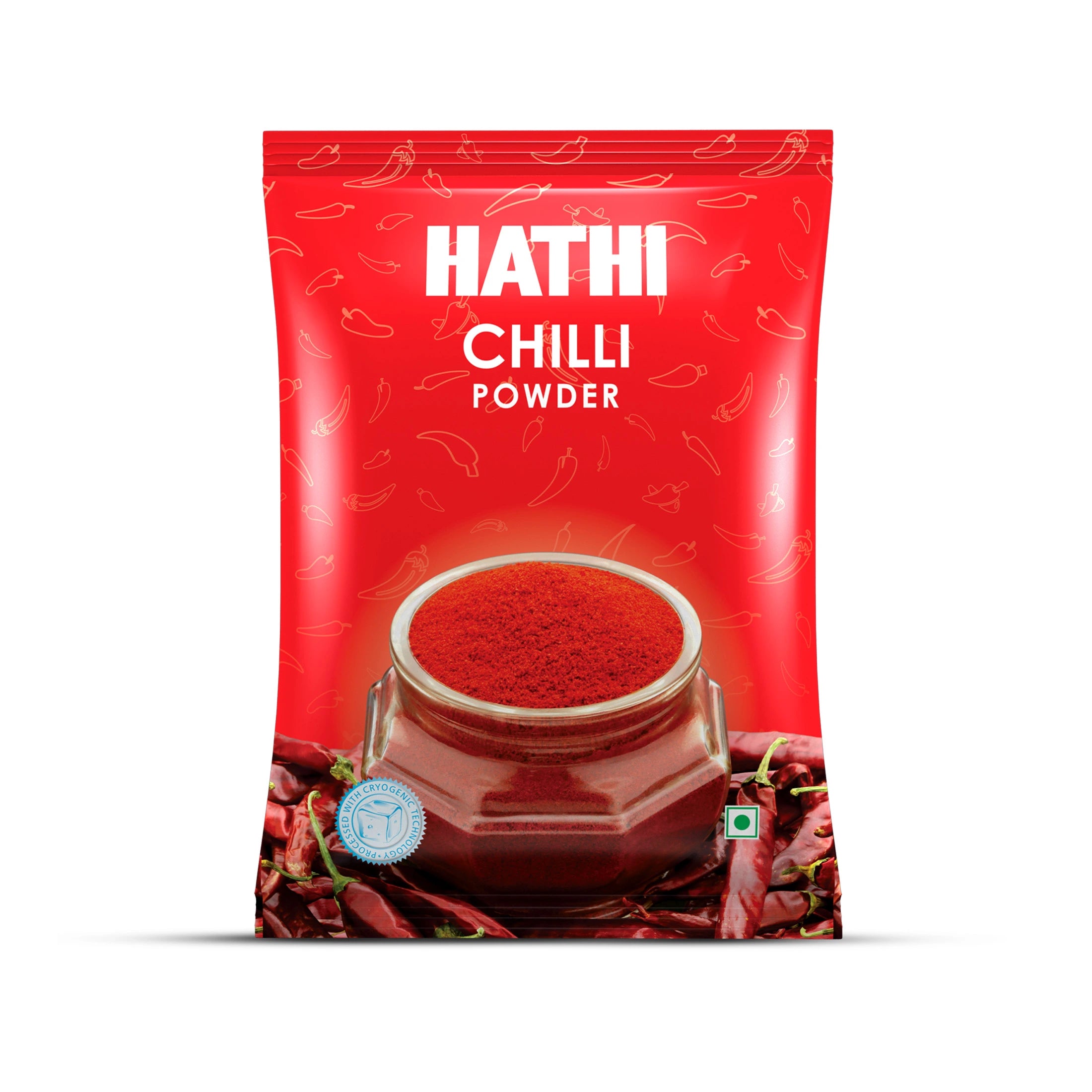
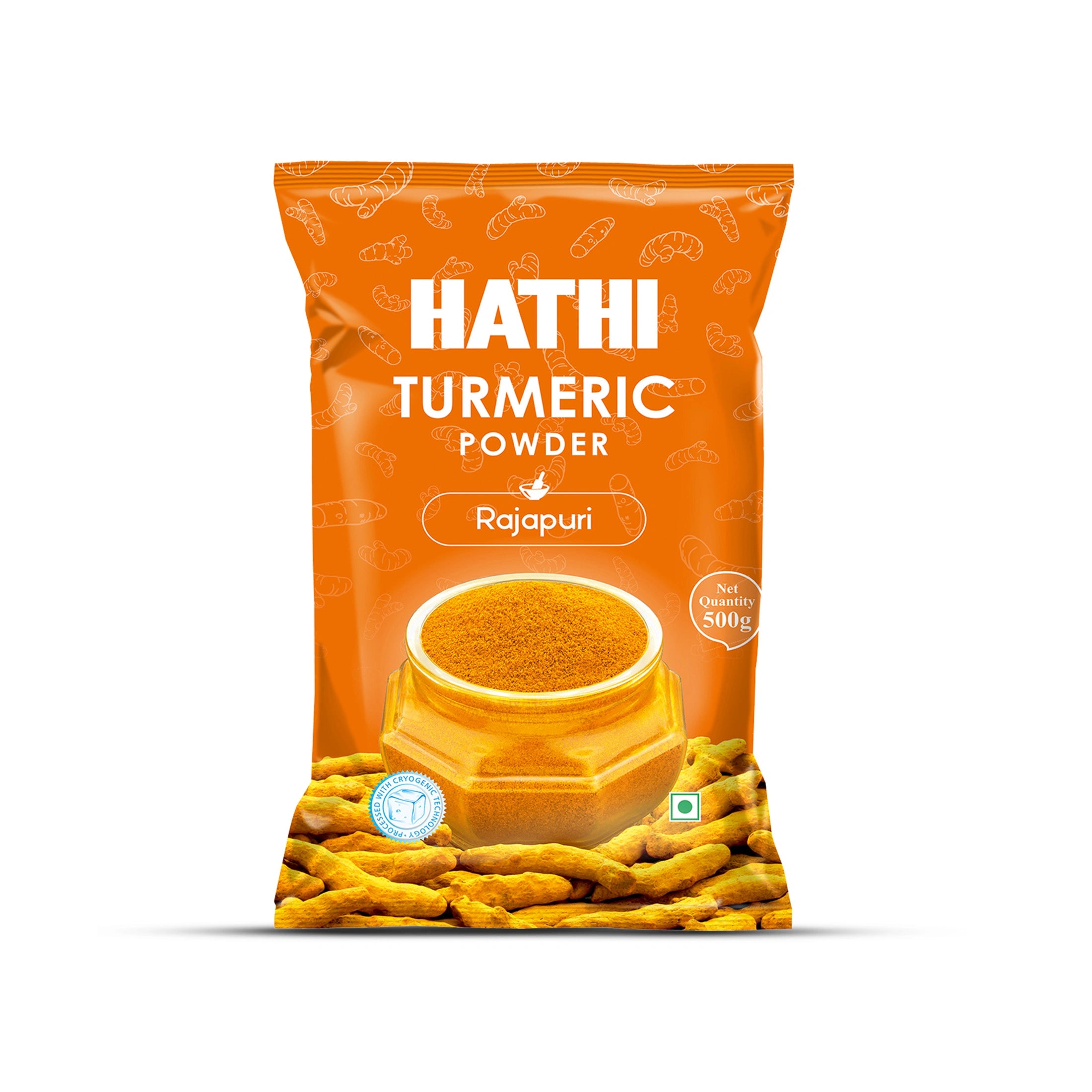
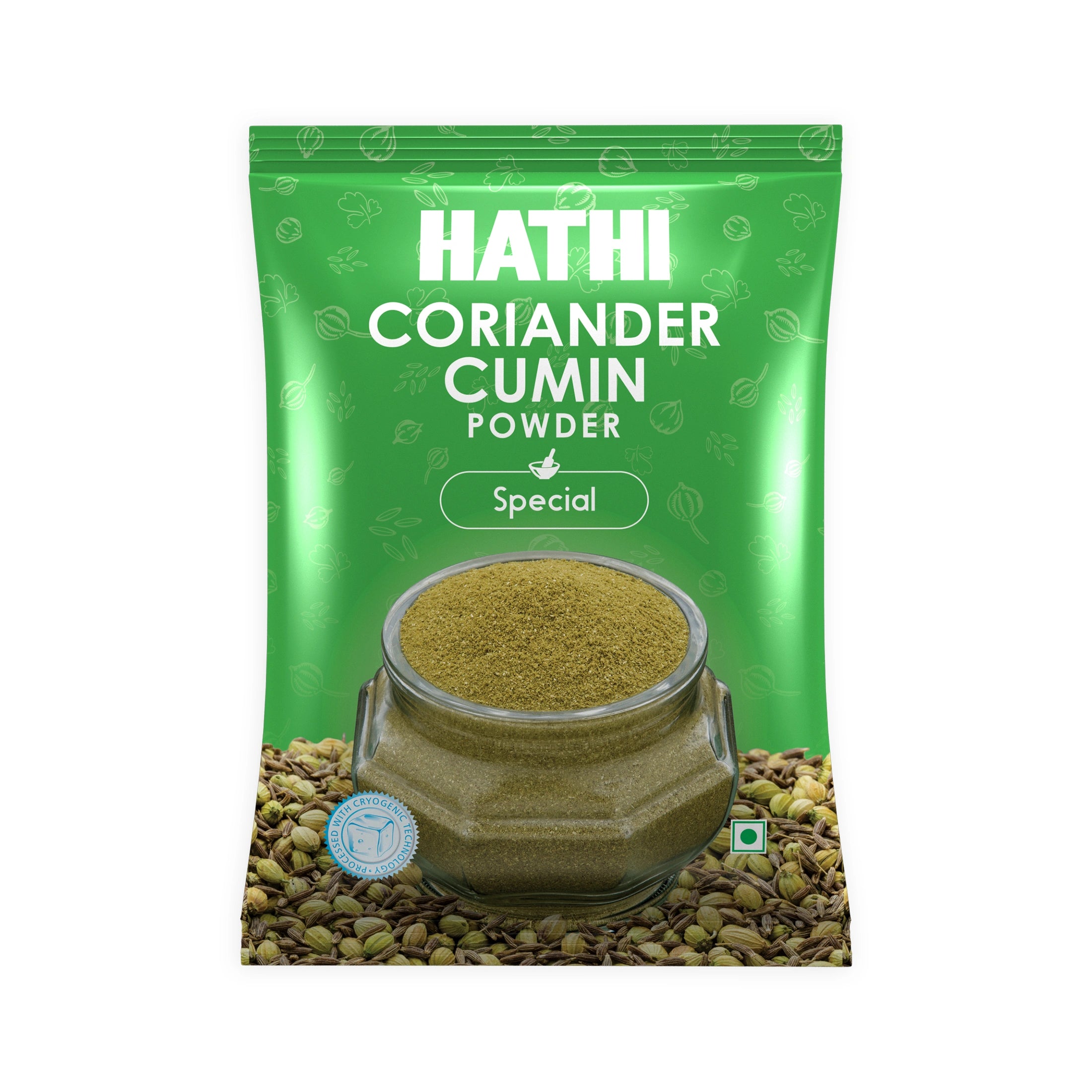
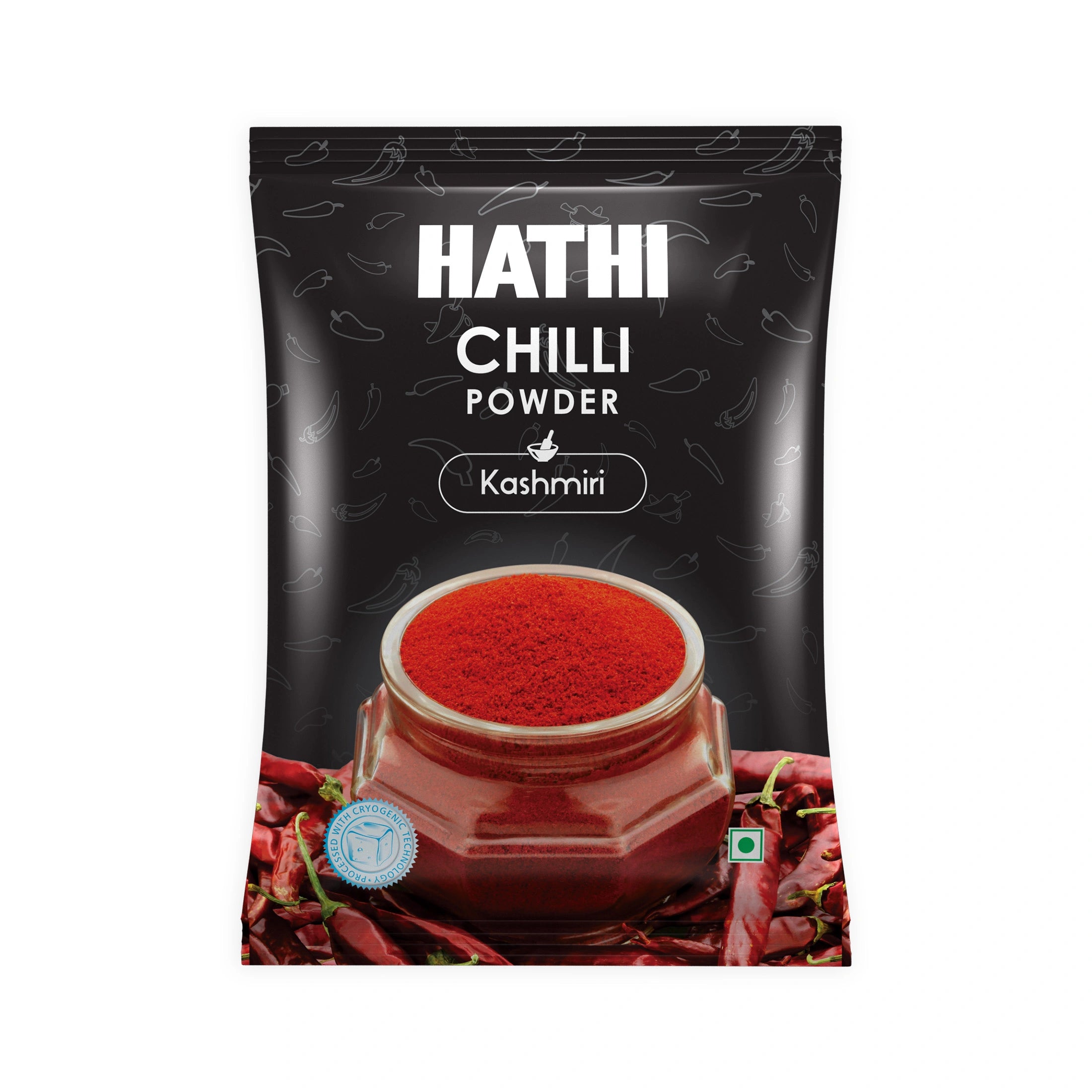
Masalas are an important part of every Indian kitchen. Turmeric powder in the dal, red chilli powder in the sabji, coriander-cumin powder in almost every other dish.
That’s why when you read a news story saying a masala batch failed a basic food safety test, it is normal to feel worried, to wonder what that actually means, and why it matters.
Masalas are farm products. They are sun-dried, moved in sacks, stored, and then ground.
At any of these steps, something small can go wrong. Moisture can creep in. Dust or stones can get in.
Sometimes a dishonest supplier may blend cheap powder to save money. Spice testing is mandatory to spot these problems before the pack reaches your kitchen.
This blog explains what food or spice testing is, the real reasons a spice powder can fail a test, and the simple test you can do before purchasing.
What Is Masala Testing?
Masala testing means checking a sample of spice powder in a laboratory to determine whether it meets the quality and safety requirements set for that masala.
It’s like a school exam for a batch of spices. A small portion is taken, examined for many things, and the batch either meets the requirements or not.
Masalas are tested for these primary reasons:
-
Quality: Does a masala look, smell, and taste as it should? Is it the right masala, in the right form, and with the right amount of moisture?
-
Safety: Is it free from any harmful contaminants within the allowable range?
This testing does not happen only once. Responsible masala manufacturing companies evaluate at many points:
- When whole spices arrive from farmers and traders.
- During storage, before grinding the whole spices.
- After grinding and blending into powders.
- After it is packed as a finished product, before it goes to the market.
Government food safety officers also collect samples from the market and send them to specific laboratories. So a packet of masala can be tested after it leaves the factory.
Why Can Masalas Fail FSSAI Testing?
A spice fails FSSAI testing when a test result doesn’t meet the applicable requirement for that particular spice.
The parameters and requirements aren’t the same for every spice. Chili powder, turmeric powder, cumin powder, and blended spices each have their own requirements, and quality standards set safety limits.
So "failed a test" means very different things. These are a few common reasons.
Masalas are dried under the sun and handled by many human hands. There’s a very high chance that bacteria, yeast, and mould can build up if drying is incomplete, the storage area is wet, or hygiene is poor.
Harmful bacteria need to be monitored because masalas are often added to food at the end of cooking or sprinkled on top of a dish after it is cooked.
-
Extra Moisture and Aflatoxins
This is actually the troublemaker. Masalas should be dried completely before storage. If there’s high moisture, mould grows.
Some molds produce aflatoxins, which do not break down at normal cooking temperatures.
Chilli, turmeric, and coriander are properly monitored for this. Monsoon season makes it harder to manage, because humidity in the godown rises. Poor packaging makes it worse.
-
Pesticide Residues and Heavy Metals
Almost every farmer uses pesticides on chilli, cumin, and coriander. If it is used incorrectly on the crop, some residue can stay on the dried spice.
Heavy metals such as lead can come from soil, polluted water, dust mixed in while sun drying, or old grinding equipment.
-
Adulteration and Undeclared Substances
This is planned cheating, not an accident. Some examples reported in Indian masala testing include:
- Cheap fillers like husk, chalk, or starch combined with ground spice powders.
- Artificial or banned colours added to chilli powder for a brighter look.
- Lead chromate added to turmeric powder to achieve a stronger yellow colour.
- Cheaper masala powders substituted for expensive, high-quality ones.
Adulteration is the only reason very cheap loose masala should be treated with caution.
-
Foreign Matter, Processing and Storage Failures
Tiny stones, sticks, insect parts, and metal pieces can mix in during drying, transport, or grinding.
Traditional, old grinding machines also generate heat, dry out the spice, dull its fragrance, and alter its quality profile.
Thin, improper packaging allows moisture and light in, and a masala that was fine at the factory can fail to meet the required standard by the time it is tested.
Quick look at common Contaminants
|
Name of the Contaminant
|
What it actually is
|
How it enters into the spice
|
Why it matters to humans
|
How to control it
|
|
Bacteria and mould
|
Microbacteria that grow on food
|
Wet drying, unhygienic handling, storage with humidity
|
Affects masalas’ safety and shelf life
|
Proper drying, hygiene, moisture control
|
|
Salmonella and pathogens
|
Harmful bacteria
|
Polluted water, soil, animal or bird contact while sun drying
|
Spices are added after cooking is finished
|
Clean sourcing, controlled process
|
|
Aflatoxins and mycotoxins
|
Natural toxins made by molds
|
Mould growth in high moisture masalas
|
Can’t be removed by normal cooking
|
Low moisture, good storage, lab testing
|
|
Pesticide residues
|
Remaining crop protectors
|
Incorrect spraying or sprayed close to crop
|
Regulated limits apply per crop
|
Supplier evaluation, residue testing
|
|
Heavy metals such as lead
|
Metal contamination
|
Soil, water, dust, old machines
|
Regulated limits apply
|
Source evaluation, clean processing
|
|
Foreign matter
|
Stones, dust, insect parts
|
Sun drying, transport, poor sorting
|
Quality and hygiene failure
|
Sorting, magnets, visual inspection
|
|
Adulterants and non-permitted colors
|
Cheap fillers or illegal colours
|
Added on purpose to reduce cost or brighten look
|
Not allowed at all
|
Purity testing, verified suppliers, batch checks
|
What Are FSSAI Masala Standards?
FSSAI stands for the Food Safety and Standards Authority of India. This is a national organization responsible for setting food regulations in India and ensuring compliance by food organizations.
For masalas, these are the two relevant rules:
-
Product standards. Salt, masalas, condiments, and related products fall under section 2.9 of the Food Safety and Standards (Food Products Standards and Food Additives) Regulations, 2011. The definitions and specifications for each masala are set out in this regulation.
-
Contaminant rules. The Food Safety and Standards (Contaminants, Toxins and Residues) Regulations, 2011 define the maximum permissible limits of contaminants, toxins, and residues such as heavy metals, mycotoxins, and pesticide residues.
Along with these, FSSAI spice standards also cover manufacturing, proper hygiene practices, labeling, and the requirement that masala powders be sold in sealed packages rather than loose.
All food-related businesses require an FSSAI license or registration, and the tests have to be conducted at recognized laboratories.
For accurate data, it is best to check the latest regulations on fssai.gov.in. The limits change over time, and blog articles citing outdated limits might misguide you.
Spice Quality Testing vs Spice Safety Testing
People keep mixing these two up. These aren’t the same.
|
Spice quality testing
|
Spice safety testing
|
|
Colour, appearance, and particle size
|
Bacteria, yeast, mould and pathogens
|
|
Fragrance and volatile oil content
|
Aflatoxins and other mycotoxins
|
|
Moisture level
|
Pesticide residues
|
|
Purity, such as absence of husk or starch
|
Heavy metals such as lead
|
|
Ash content and composition
|
Non-permitted colors and additives
|
Here’s an easy way to remember it. Quality testing asks, "Is this a good masala?" Safety testing asks, "Is this masala safe to eat?"
A spice can smell wonderful and still fail a safety test. It can also be completely safe but have a weak aroma, which is a quality issue.
How Is Spice Testing Performed?
Spice testing follows a preset order. It isn’t a single machine that gives a single answer.
-
Sampling. A small sample is taken from the batch, using the correct sampling method. If the sample is taken badly, the result matters nothing.
-
Sample preparation. The sample is then coded, mixed, weighed, and prepared in the form required by each test.
-
Physical and quality analysis. Moisture content, foreign matter, colour value, ash content, and some other quality parameters are measured.
-
Safety analysis. Separate methods are used to check microbes, aflatoxins, pesticide residues, and heavy metals.
-
Comparison to requirements. Each result is compared against the applicable standard for that particular masala.
-
Documentation and action. Results are recorded against the batch number. If something is outside the requirements, the batch is held for further investigation.
Easy home tests like the water test or the finger rub test are very useful habits, and they can help catch some cheap filler or a stale packet. They aren’t a substitute for proper laboratory testing.
How Do Spice Manufacturers Reduce Food Safety Risks?
Good food safety testing starts long before the spice reaches the lab. The lab confirms what the process already did or didn’t do right.
Important steps a serious spice manufacturer takes:
- Buy from reliable farms and traders rather than open spot markets.
- Inspect and test raw spices before purchasing them.
- Store raw material dry, hygienically, away from humidity.
- Dry and control moisture content before grinding.
- Sort out stones, husk, and other damaged materials.
- Grind at a controlled temperature so the masala powder doesn’t overheat.
- Keep different spices separated to avoid contamination.
- Pack in material that blocks direct sunlight, moisture, and air
- Test each batch and keep records to trace any packet back.
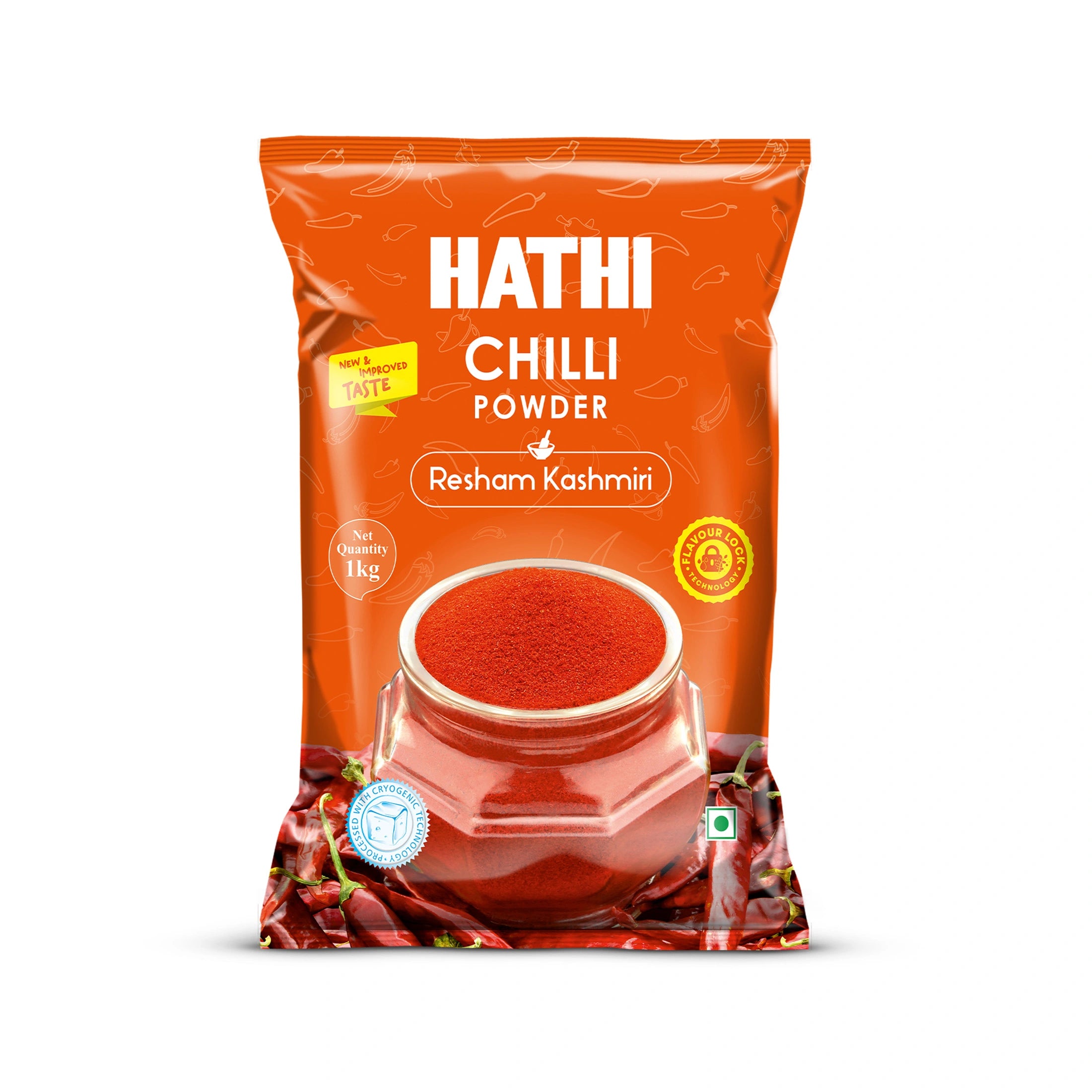
Hathi Masala, handled by Gandhi Spices Pvt. Ltd. in Rajkot, has been running this kind of setup since 1952.
This spice company is both FSSAI- and ISO 22000-certified, grinding whole spices at very low temperatures using cryogenic technology to preserve natural oils and aroma, and testing every batch in the lab.
You can see the full manufacturing process here.
How Can Customers Choose Safer Packaged Spices?
You can’t run a lab at home. But you can purchase better. Use this checklist.
-
Buy packaged masalas, not loose. Loose masala from open bags doesn’t have a batch number, an expiry date, or accountability.
-
Check for the FSSAI license number on the pack. Always check for a 14-digit number, usually printed near the manufacturer's details.
-
Look for the manufacturer name and address. A real factory address is always a good sign.
-
Find the batch number. If there’s no batch number, nothing can be traced.
-
Check the packing and best-before date. Ground masalas lose fragrance over time, even when they are completely safe.
-
Check the packet itself. Make sure there are no tears or pinholes, and that it’s sealed.
-
Be suspicious of an unusually deep colour. Natural chilli powder is red, not glowing. Natural turmeric is gentle yellow, not neon.
-
Make it a habit to buy from the brand website or a reliable seller. Adulterated packs from well-known brands are found in some markets.
If you are looking for reliable brands for the 3 main everyday spices, these are the ones to purchase: Rajapuri Haldi turmeric powder, Lal Mirch red chilli powder, and dhana jeera coriander cumin powder.
After cooking the dishes, blended masalas like garam masala go in at the end, which is exactly why their hygiene matters.
Some families prefer to buy whole spices and grind them in small quantities at home. That is a good habit for more fragrant spices.
Whole spices can also carry the same contamination as ground ones, so proper sourcing still matters.
Can You Tell If a Masala Is Unsafe Just by Looking at It?
No. You cannot.
The colour, smell, and texture of masala can tell you about its quality, not safety. Aflatoxin has no colour. Pesticide residue has no smell. Lead has no taste.
A spice powder can look and smell perfect and still fail a safety test in a lab.
Appearance can only tell you a limited number of things, but it is still useful. An overly bright color hints at added dye. Visible husk can hint at filler. A flat smell indicates the packet is old. These things are worth noticing.
The final reliable answer comes from laboratory masala testing. That is why purchasing from a brand that tests batches and prints details on the pack matters more.
What Happens When a Masala Doesn’t Meet a Safety Requirement?
In a properly run manufacturing unit, the batch doesn’t simply go out.
- The batch is kept separate from earlier-released stock.
- The result should be confirmed, because a retest may be required.
- The cause is investigated; it could be the supplier, drying, storage, or packaging.
- Corrective action is taken on the process as well, not just on the batch.
- The batch is rejected or handled according to the appropriate procedure.
- The test records are kept so the same failure can be prevented in the next batch.
When a food safety officer finds a failure in a market spice sample, the matter is further handled under the applicable legal procedure. This procedure can involve the supplier, manufacturer, and the seller.
How to Store Spices Safely at Home
How you store the spices determines how your masala behaves over the next six months.
- Once the packet is opened, always transfer the powder into a dry, airtight glass or steel jar.
- Keep the jar in a cool, dark spot, away from direct sunlight, heat, or moisture.
- Always use a dry spoon. Moisture is responsible for starting mould.
- Never place the open jar near a steaming pan while cooking.
- Keep the expiry information of the spice packet handy, or write it on the jar.
- Finish ready-made ground masalas within about six months of opening.
- Never mix a new packet into the leftover old spice residue in the jar.
Frequently Asked Questions
What is spice testing?
Spice testing is the laboratory examination of a spice sample against the predetermined quality and safety requirements for a particular spice. It covers many factors, including moisture, purity, and fragrance on the food quality side, and mycotoxins, pesticide residues, and heavy metals on the food safety side.
Why do masalas fail FSSAI testing?
The most common reasons are these:
- High moisture content: It promotes mould growth due to poor drying.
- Pesticide residues above the permitted limit.
- Heavy metal contamination.
- Foreign matter such as stones and husk.
- Unauthorized adulteration with fillers or banned colors.
What does FSSAI test in spices?
FSSAI spice standards test product identity and quality parameters set for each spice, contaminant limits, heavy metals, and pesticide residues, as well as hygiene and labeling requirements. Exact parameters vary by spice; you can read them in the current regulation on fssai.gov.in.
What are the main differences between spice quality testing and spice safety testing?
Spice quality testing checks if the spice powder is of good quality. It evaluates color, aroma, moisture, and purity. Spice safety testing checks whether the spice powder is safe to eat. It evaluates for microbes, toxins, residues, and heavy metals.
How are masalas tested for safety?
Spice testing follows a particular sequence. A representative sample is taken, prepared, and then evaluated using different methods for every parameter. Results are then compared to the applicable requirements and recorded against the batch. Different parameters require different evaluation instruments, so they are assessed in an equipped laboratory.
What contaminants can be found in spices?
The common ones are bacteria and mould; pathogens such as Salmonella; aflatoxins and other mycotoxins; pesticide residues; heavy metals such as lead; physical foreign matter; and added adulterants like husk, starch, or non-permitted colors.
Can you identify unsafe spices just by looking at them?
No, no one can. The appearance, colour, and smell only indicate the quality of the spices, not safety. Aflatoxins, pesticide residues, and heavy metals aren’t visible, and they don’t have any smell. Only laboratory equipment can confirm safety.
How can customers choose safe packaged spices?
Never buy loose spices; always go for the packaged ones. Look for the FSSAI license number and manufacturer details. Check the batch number and best-before date. Check the seal. Never purchase very cheap or unusually bright spices. Always purchase from the brand's own website or a reliable seller.
Does home water testing prove a spice is pure?
It helps to check quality at some points. The water test can help to check for added color or heavy filler, and the finger rub test can help to check for stale or weak spice powder. Home tests can’t detect aflatoxin, pesticide residue, or heavy metals.

 Sagar Dubal