









Best Tea Masala Brand Compared: Hathi Tea Masala vs MDH vs Everest
 Sagar Dubal

19 August 2026
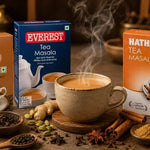
You are standing in the masala section at a supermarket or scrolling through websites. There are 3 packets in front of you: Hathi Tea Masala, MDH T-Plus Masala, and Everest Tea Masala. You will definitely start getting confused about which is the best tea masala brand among the 3.
All three of them are made with different masala bases, so the best masala powder depends on the kind of tea your family members prefer. Hathi Masala focuses more on ginger and two cardamoms, MDH T-Plus on fennel and aniseed, and Everest on black pepper and dry ginger.
Why Every Tea Masala Tastes Different From Each Other
Two packs can look almost the same in your hand and give completely different results. The only difference is mentioned on the back of the pack.
3 base types of masala exist in the market:
- Black pepper and ginger-focused. This variant is sharper and warmer.
- Fennel- or anise-focused. This one is sweeter, perfumed, and warm. Gentler.
- Cardamom-focused. This has a clean fragrance and the classic masala chai profile.
The grinding method also matters here. Traditional grinding methods generate friction heat that evaporates volatile oils, which are responsible for the aroma.
What Exactly Tea Masala Contains
Most spice blends contain the same core set of masala ingredients: green cardamom, black cardamom, cinnamon, dry ginger, black pepper, clove, and nutmeg. Some contain fennel seeds, aniseed, or star anise.
MDH vs Everest vs Hathi Tea Masala: Brief Comparison
Everest masala is best for households that prefer a sharp, pepper-forward kadak masala chai. MDH T-Plus is best for families who prefer a sweeter, more fragrant variant. Hathi Tea masala is for those who want a strong aroma from double cardamom without any sweetness.
|
Properties |
Hathi Tea masala |
Everest tea masala |
MDH t-plus masala |
|
Leading masala on label |
Ginger, black cardamom, green cardamom |
Black pepper, dry ginger |
Fennel seeds or aniseed, dry ginger |
|
Base flavour notes |
Cardamom focused |
Pepper and ginger focused |
Aniseed focused |
|
Heat level |
Moderate |
Moderate to high |
Mild to moderate |
|
Dose (2 cups) |
¼ teaspoon |
¼ teaspoon |
A tiny pinch |
|
Available pack sizes |
100g, 500g |
25g, 50g, 100g, 200g |
25g, 35g, 100g |
|
Perfect for |
Gujarati-style fragrant chai |
Kadak masala chai |
Sweet, milky chai |
Hathi Tea Masala

Which Ingredients It Contains
This masala blend contains spices like ginger, black cardamom, green cardamom, cinnamon, black pepper, cloves, and nutmeg. This is a ginger-focused blend, not a black pepper- or fennel seed-focused blend.
This is the one spice brand that contains both black and green cardamom, without aniseed or star anise on its label.
Main Flavour and Fragrance
Black cardamom adds depth along with a little smokiness; green cardamom adds the floral note most people prefer.
Together, both these spices focus on fragrance over heat. The final cup of chai is warming without being spicy or containing any aniseed.
How It Is Ground
Hathi masala uses cryogenic grinding technology. This method cools the whole spices to a very low temperature before grinding.
This grinding method doesn’t generate any friction heat and preserves the volatile oils of the spices.
Who It Is Best For
This masala is best for people who prefer a fragrant, Gujarati-style masala chai. Gujarati-style tea is usually less spicy than a Punjabi kadak chai.
Hathi masala comes in 100g and 500g packs for everyday and larger-family use.
MDH T-Plus Masala (MDH Tea Masala)

What It Contains
The ingredient list for this masala includes fennel seeds (aniseed), dry ginger, cinnamon, black pepper, green cardamom, black cardamom, cloves, and star anise. Fennel seeds, or aniseed, appear at the top.
Flavour and Fragrance
Aniseed, fennel seeds, and star anise add a sweet, perfumed fragrance with a warm note. You’ll get a fragrant and slightly sweet chai, with peppery notes in the background.
The other two masalas focus on warmer spices, while MDH focuses on a sweet, fragrant base.
Who Prefers This
This is best for families that prefer their tea with a little spice and heavily sweetened notes, and people who want masala for aroma rather than taste.
This masala is available in most kirana stores and supermarkets across India. So you can easily find it.
Everest Tea Masala

What It Contains
Everest masala contains black pepper, dried ginger, cinnamon, green cardamom, nutmeg, cloves, and black cardamom.
This masala focuses more on black pepper, and that's the whole profile.
Base Flavour and Aroma Notes
This spice brand describes this masala on its own product page as a blend that warms your body on cold days. That is mentioned in their description, and the label supports it.
The black pepper-focused base gives you the sharpest tea with warmth at the back of your throat.
Who Prefers This
The people who drink kadak chai and want a strong cup of tea in the morning. It is also best for the ukala; this is common across Maharashtra and Gujarat.
Everest's own website suggests using their masala this way. It doesn’t contain any tea leaves, and that’s why you get the flavors of black pepper and ginger much more strongly than the other two masalas.
MDH vs Everest vs Hathi Tea Masala: Detailed Comparison
Which Tea masala has the Strongest Flavour?
Everest. The black pepper leads the ingredient list and gives a back-of-the-throat sharpness that the other two can’t match. MDH is moderate. Hathi Tea masala is somewhere in between; it’s warmer than MDH and less spicy than Everest.
Which Has the Strongest Aroma?
Hathi. It contains two types of cardamoms, which add a clean, floral fragrance. It also contains ginger, which gives the final cup of tea a beautiful aroma that makes your entire house smell amazing.
Which Is Best for Everyday Use?
For Gujarati families and those who prefer strong fragrance over taste, Hathi's cardamom-focused masala is the best choice for all seasons.
Which Tea Masala is Best for Gentle or Sweet Chai?
MDH T-Plus masala is the best choice for a gentle aroma and sweet taste. It has fennel seed and aniseed as the base spices. These add warmth without adding any heat. This pairs well with heavily sweetened, milk-heavy chai.
Which Tea Masala Brand Offers Better Value Per Cup?
Pack price won’t tell you anything. You’ve to divide the price by the number of cups.
|
Name of the Brand |
Available Sizes |
Price (Approx.) |
Doses (2 Cups) |
Cups per Pack |
Approx. Value per Cup |
|
Hathi |
100g |
Rs. 128 |
0.6g (1/4 tsp) |
~166 |
~Rs. 0.77 |
|
Everest |
50g |
Rs. 80 |
0.6g (1/4 tsp) |
~83 |
~Rs. 0.96 |
|
MDH T-Plus |
35g |
Rs. 46 |
0.6g (a pinch) |
~58 |
~Rs. 0.79 |
Which is the Best Tea Masala Brand?
There is no particular winner among these 3 brands. The best masala brand for your kitchen depends on what you and your family prefer.
- Best for quality you can trust: Hathi Tea Masala.
- Best for kadak, peppery tea: Everest Tea Masala.
- Best for sweet and fragrant tea: MDH T-Plus.
- Best for fragrance and daily usage: Hathi Tea Masala. Cryogenically ground.
- Best for easiest availability: MDH and Everest
- Best value per cup: Hathi masala, by a small margin.
If your family has a habit of drinking chai before 7 am, in cold weather, try Everest. If you're someone for whom aroma matters more than spice, try a cardamom-focused Hathi Masala instead.
How to Choose and Use A Perfect Tea Masala
How Much to Add Per Cup
Everest mentioned using ¼ teaspoon for 2 cups, around 0.6g. Hathi masala recommends ½ teaspoon for 4 cups. The information on MDH's pack says "a pinch." If you use too much masala, the final chai will taste bitter.
When to Add This Masala While Brewing
You should add the masala while your chai is boiling, along with the water, tea leaves, milk, and sugar. Make sure you’re not adding it after the chai is made. The oils of these spices need time to release in hot liquid. Keep stirring it in at the end; they never fully bloom.
How to Store It For Better Fragrance
You should transfer the masala into an airtight glass or steel container after opening the pack. Keep the container away from direct sunlight and moisture. Always use a dry spoon because a wet one quickly kills the fragrance.
Frequently Asked Questions : Best Tea Masala Brand
Which is the best tea masala brand in India?
There is no particular single best masala for every family. The main ingredients of Everest are black pepper and ginger; MDH T-Plus delivers a sweeter, milder cup of tea; Hathi masala contains a cardamom-forward fragrance. The perfect choice of this masala depends on the chai your family members prefer.
Which tea masala brand is best to make a strong kadak chai?
Everest Tea masala. This is a black pepper-focused blend. Everest mentions on its website that this masala is pepper- and ginger-focused and is also well-suited for cold weather.
Is MDH T-Plus the same as MDH tea masala?
Yes. T-Plus is the official product name, and MDH Tea Masala is the informal name many shop holders use. If you search either, it will usually take you to the same pack, but make sure to check the label to confirm when buying online.
Is Hathi Tea Masala good?
For the people who prioritize fragrance and Gujarati-style masala chai, it’s a good option. It contains two cardamoms and no aniseed. That’s how it gives a clean, floral aroma that is completely different from the other two.
What spices can be added to this masala?
The main, most common ingredients are green cardamom, black cardamom, cassia, cassia leaf, dry ginger, black pepper, clove, and nutmeg. Some masala blends also contain fennel, aniseed, or star anise.
What is the difference between chai masala and tea masala?
Both are names for the same masala. Chai masala is the popular term among Hindi and Gujarati speakers, and most brands print “tea masala” on the packaging.
How We Compared All These Tea Masalas
We purchased all 3 packs from both random retail stores and an e-commerce platform, and we used the ingredient details given in the printed table. We also conducted a brew test using the same tea, milk, and water, following each brand's recommended amount of tea masala.