









Egg Curry Recipe – Rich, Spicy & Better Than Your Favourite Dhaba
 Sagar Dubal

07 July 2026
Egg curry is made with boiled eggs simmered in a thick, spiced onion-tomato masala base, and this dhaba-style variant delivers the same bold, rich taste. It’ll be ready in just 30 minutes.
There's something beautifully comforting about a good egg curry. This is the kind of dish that feels like a perfect, full meal the moment it hits the table. The rich, reddish-brown gravy, soft eggs soaked up with all these flavours, and a fragrance that fills the entire home. You can serve it with roti, paratha, or a bowl of jeera rice, and it never feels like a compromise, even at midnight when there's nothing else left in the fridge but eggs.
Why You Will Love This Egg Curry Recipe
- This recipe yields rich, thick dhaba-style gravy.
- It’ll be ready in about 30 minutes, including boiling the eggs.
- The entire recipe is made completely with daily-use spices, no cream, no cashews.
- It pairs well with roti, paratha, plain rice, or jeera rice.
- It’s a complete, satisfying meal that can be ready in one single pan.
Ingredients
This recipe serves 3-4 people.
For the eggs:
- 5-6 hard-boiled and peeled eggs
- 1 tsp oil
- A pinch of turmeric powder and red chilli powder
For the gravy:
- 3 tbsp oil
- 1 tsp cumin seeds (jeera)
- 1 bay leaf
- 2 finely chopped onions
- 1 tbsp ginger-garlic paste
- 2 finely chopped tomatoes
- 1 slit green chilli
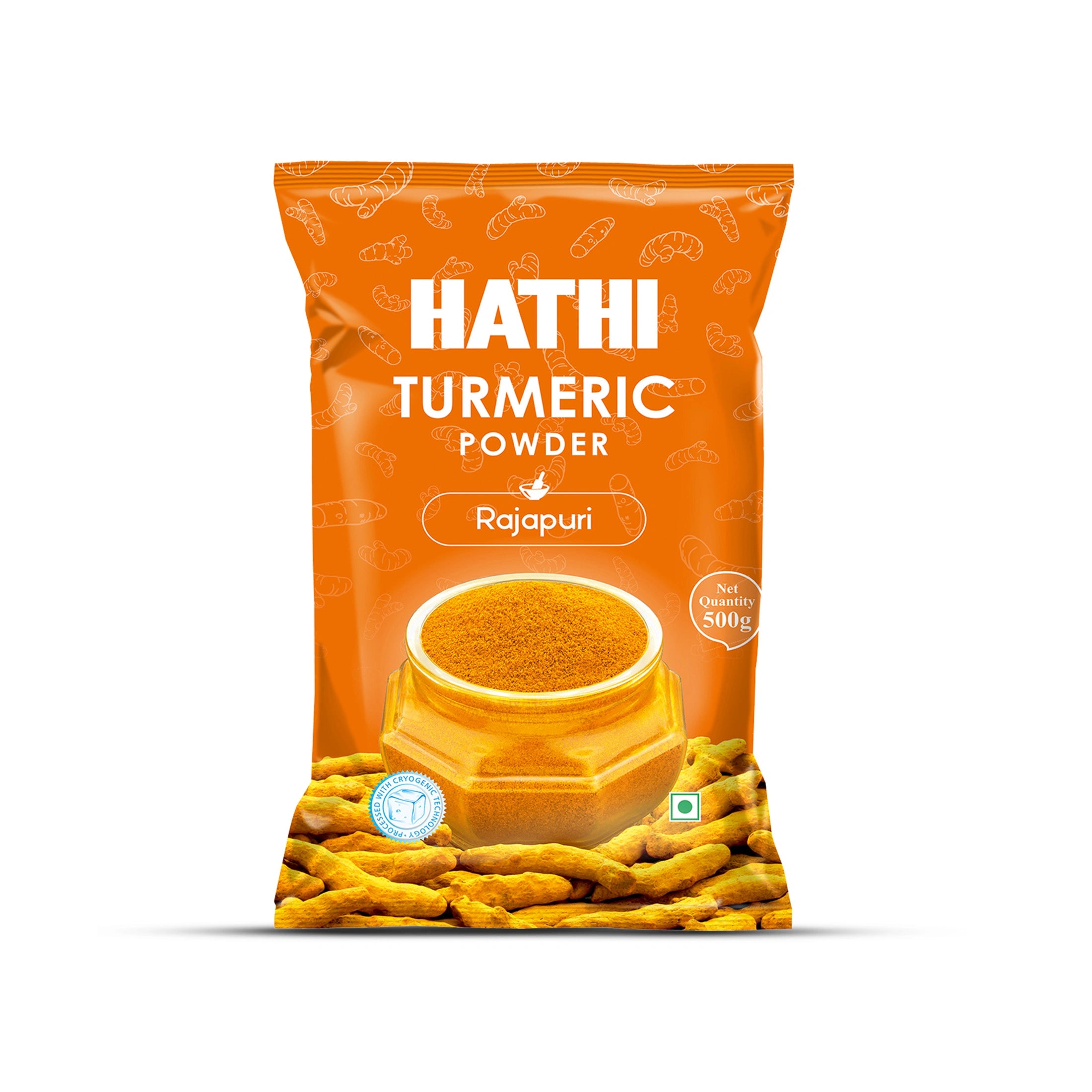
- 1/2 tsp hathi turmeric powder
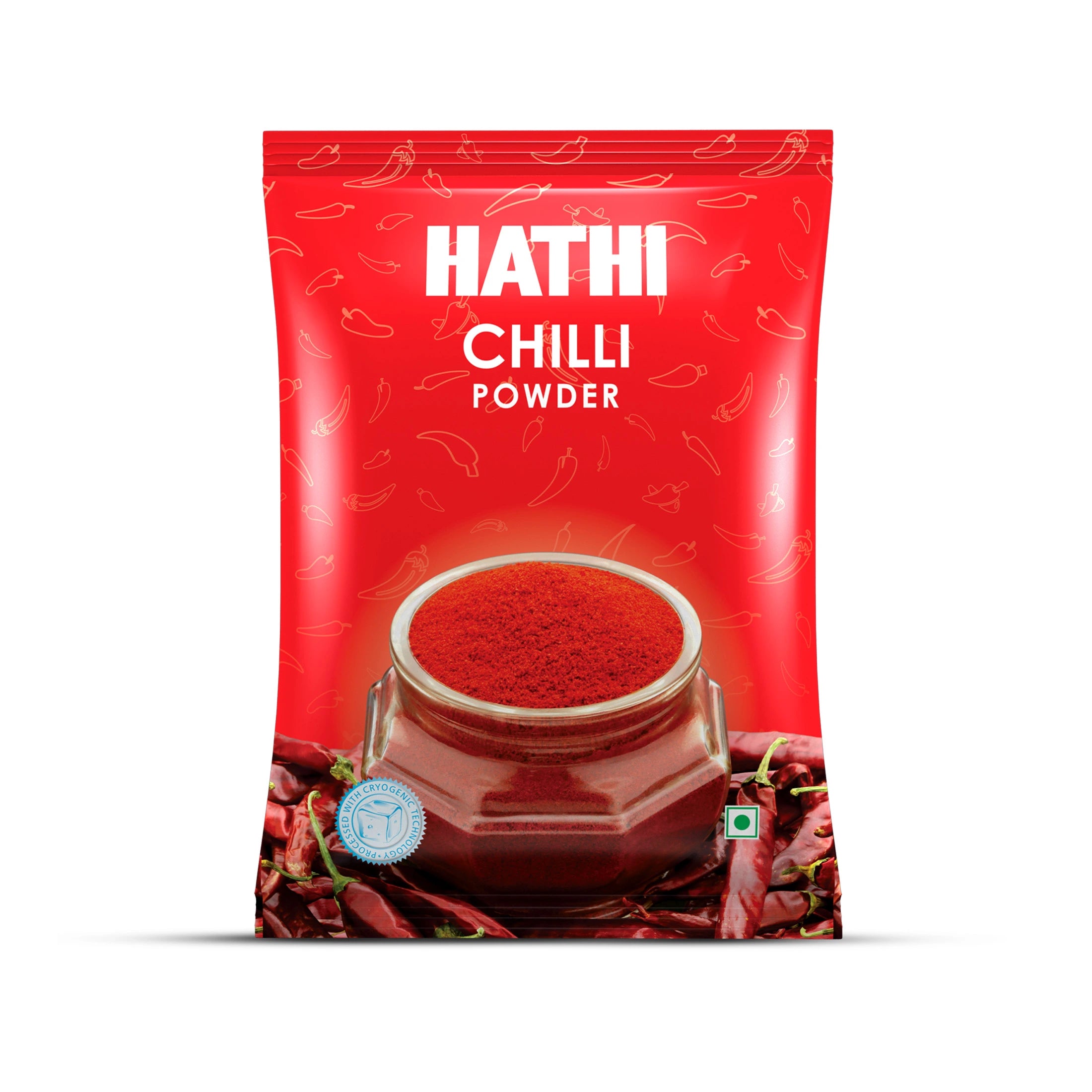
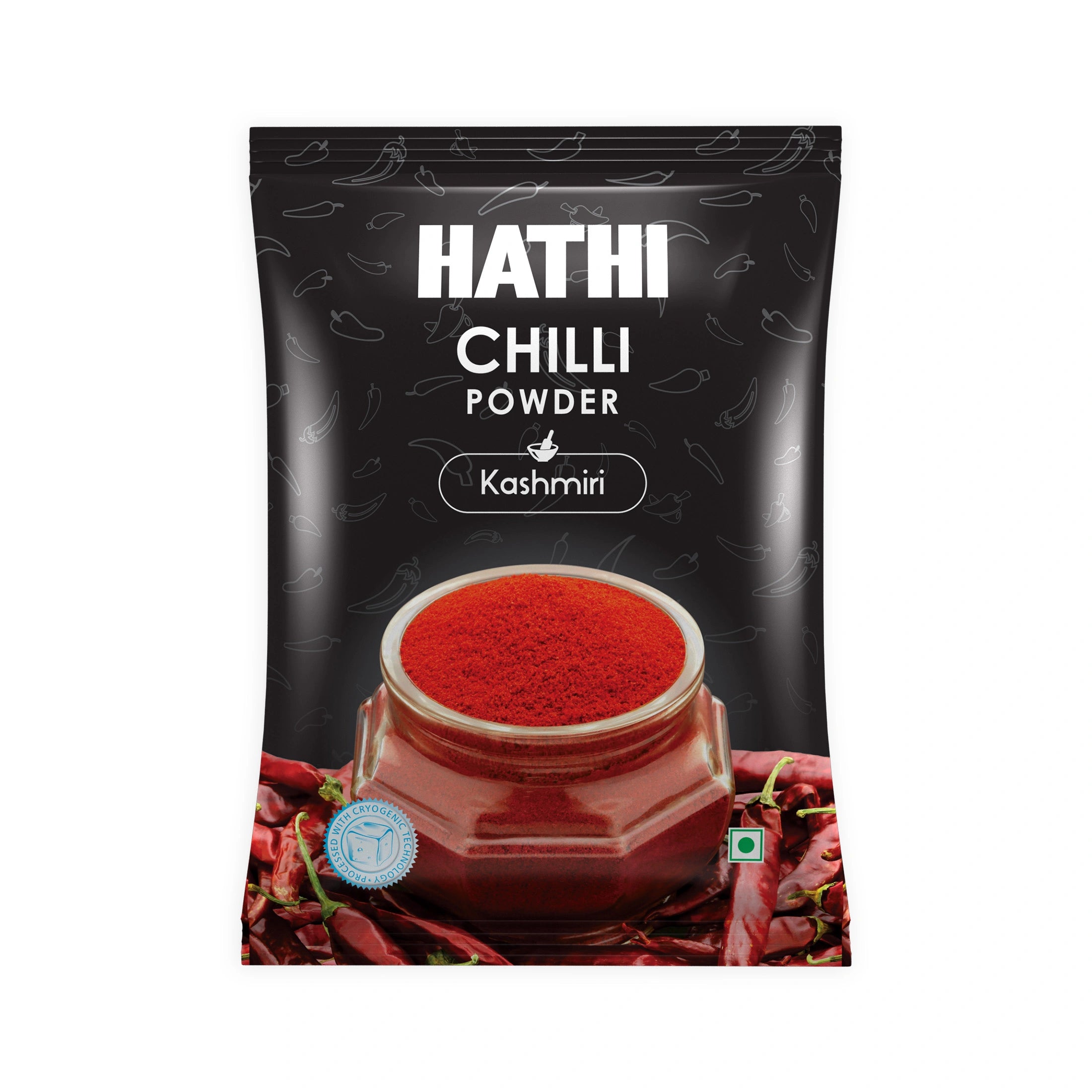
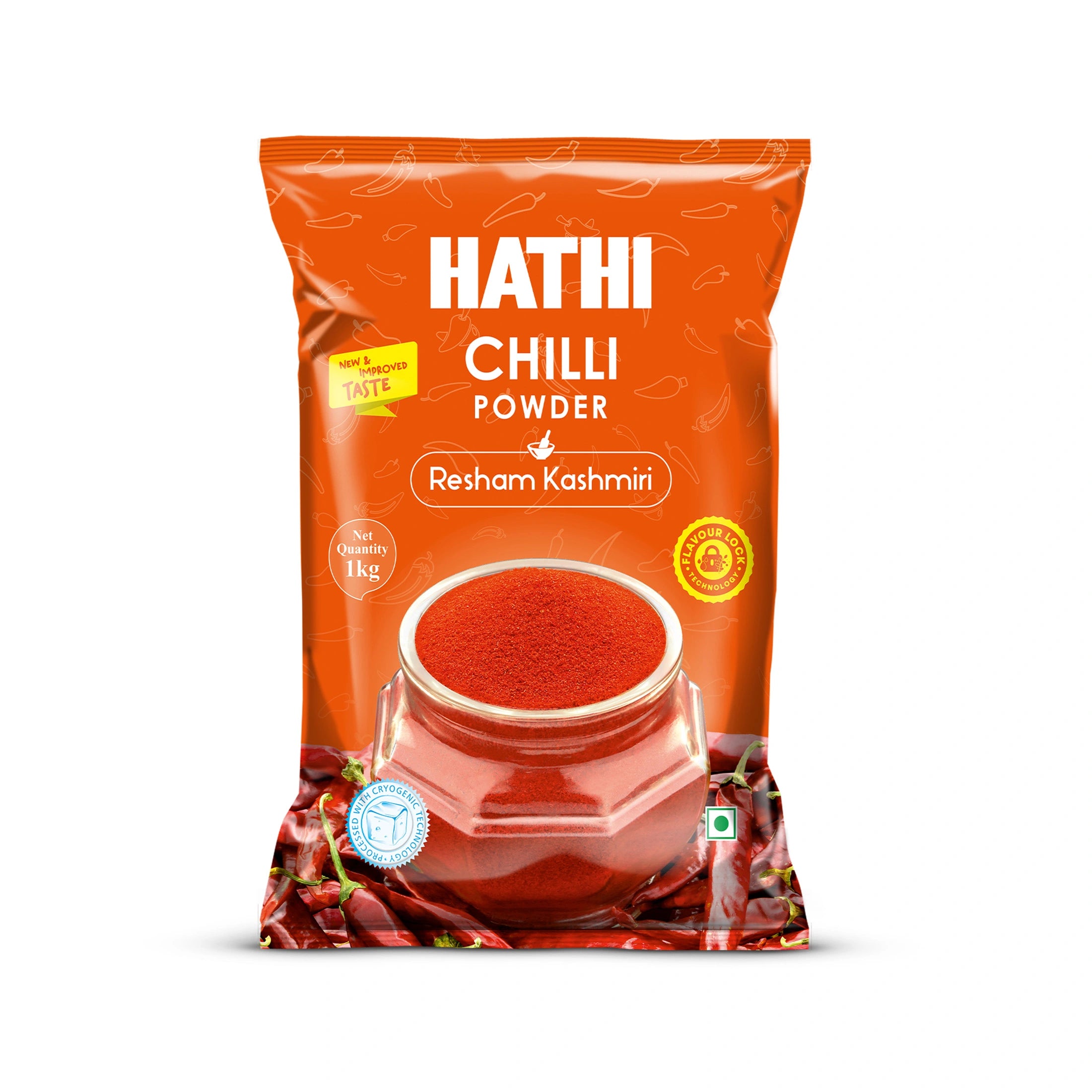
- 1 tsp hathi Kashmiri chilli powder
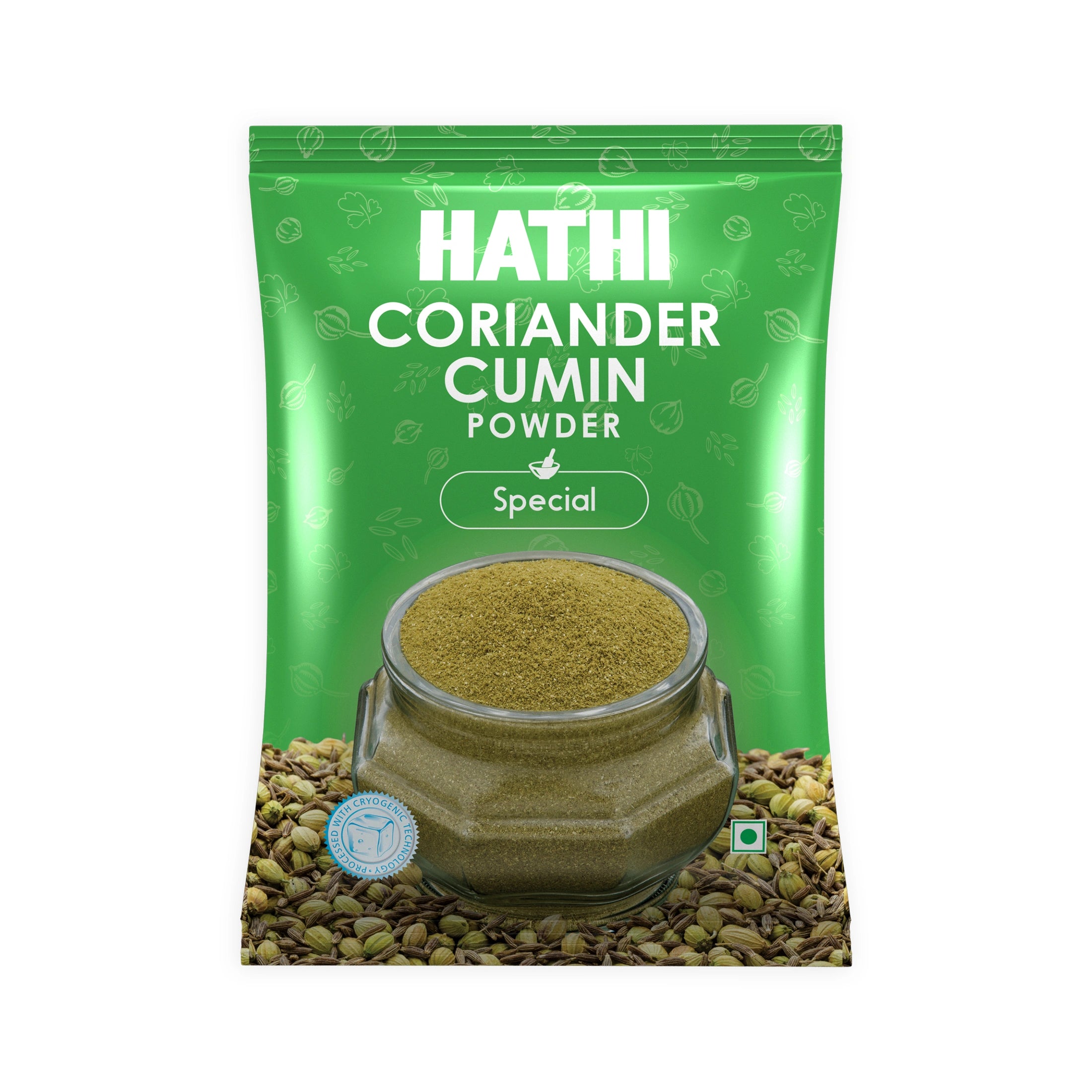
- 1.5 tsp hathi coriander cumin powder
- 1/2 tsp red chilli powder
- Salt, to taste
- 1/2 cup water
- 1/2 tsp hathi secret garam masala
- 1 tsp kasuri methi
- 1 tbsp fresh coriander leaves
Step-By-Step Egg Curry Recipe

Step 1: Boil and peel the eggs
Take some eggs in a pot along with cold water. Let it boil, then cook them for about 10-11 minutes. Remove from the water and immediately add them to cold water. Peel them. Make 3-4 slits on every egg using a knife; this helps the egg to soak up the gravy and flavour.
Pro Tip: Transferring the eggs to cold water right after cooking will prevent further cooking and make peeling easier. The shells cleanly slip off without tearing the surface.
Step 2: Shallow-fry the eggs
Add 1 tsp of oil to a pre-heated pan. Add a pinch of turmeric and red chilli powder into the hot oil, followed by the peeled, slit eggs. Roll them gently for about 1-2 minutes until their surface turns light golden and they pick up a little colour.
This step isn’t mandatory but highly recommended as it gives the eggs a slightly crisp, flavoured edge that holds up beautifully in the masala base and won’t turn soft and pale.
Step 3: Cook the onions
Add 3 tbsp of oil to the same pan and let it heat over medium heat. Add the cumin seeds along with a few other whole spices and let them crackle for 20-30 seconds. Add finely chopped onions and cook them on medium flame for about 10-12 minutes until they turn into a deep golden brown colour.
Don't rush this step. Properly caramelized onions give the curries their rich, deep colour and dhaba-style flavour. Pale onions give you a pale, flat-tasting curry.
Did You Know? The golden-brown colour of the onions gives the gravy its signature dark, rich look. No food colour or extra tomato needed.
Step 4: Add ginger-garlic paste and green chilli
Add the ginger-garlic paste along with slit green chilli to the caramelized onions. Cook everything over medium heat for 2-3 minutes, until the raw smell of the ginger-garlic has completely evaporated.
The paste will darken a little and start to stick to the pan, that's exactly what you want.
Step 5: Add the spice powders
Lower the heat. Add the spices of your choice, such as turmeric, Kashmiri chilli, coriander-cumin, and the extra red chilli according to your spice tolerance. Mix everything quickly, then cook the dry masalas in the oil for about 45-60 seconds.
This step blooms the masalas and releases their colour and fragrance into the oil.
Step 6: Cook the tomatoes
Add the finely chopped tomatoes or puree along with the salt to taste. Cook the masala based on medium heat for about 6-8 minutes, keep stirring it every minute, until the tomatoes turn mushy, and the oil starts to separate from the edges.
This is one of the most important steps in cooking the gravy. If your tomatoes stay raw, they make your gravy taste sharp and tangy. Cook the masala base until it turns pulpy.
Step 7: Add water and simmer
Add 0.5 cup of regular water to the masala mix and stir everything well. Bring everything to a boil.
Reduce the heat and let the gravy cook for around 3-4 minutes. Taste the prepared masala base and adjust the salt and spices to taste.
Step 8: Add the eggs
Add the shallow-fried eggs to the simmering masala gravy. Let everything cook together on a low flame for around 4-5 minutes.
The eggs will soak the masala through the slits and take a beautiful colour and flavours.
Step 9: Finish and serve
Lower the flame. Take some dried kasuri methi leaves, crush them lightly between your palms before adding them to the curry. It releases the oils and gives a restaurant-style smell. Finish the dish by adding the hathi secret garam masala.
Stir everything well and turn off the flame. Garnish the dish with freshly chopped coriander leaves. Serve it hot.
Pro Tip: Always add garam masala at the very end of the cooking. Cooking this masala for too long will completely destroy the aroma and make the curry taste slightly bitter.
Different Variants of Egg Curry Recipe
Using an Instant Pot / Pressure Cooker
Caramelize the onions in the Sauté mode. Add the ginger-garlic paste along with the other spices and tomatoes, and cook everything until the oil starts to separate from the edges. Add the fried eggs and water, then pressure-cook on a low setting for 1 whistle. Finish it with garam masala and crushed kasuri methi.
With Coconut Milk (South Indian Style)
Reduce the water amount to half in Step 7, then replace it with a thin, high-quality coconut milk. Add some curry leaves along with the cumin seeds in Step 3. Skip the crushed kasuri methi. You’ll get lighter, creamier, and more aromatic gravy.
Restaurant-Style Egg Bhurji Curry
Scramble the leftover boiled eggs first. Reheat the leftover onion-tomato gravy, then add the scrambled eggs directly and mix them through. You’ll get a looser, saucier curry that pairs particularly well with pav or paratha.
Creamy Curry
Add 2-3 tbsp of fresh cream or 1 tbsp of soaked cashew paste into the masala base at the end, right before adding the boiled eggs. This step adds a richer, restaurant-style finish to your dish. This dish is popular at house parties.
Expert Tips to Make a Rich, Restaurant-Style Gravy
- Let the onions caramelize properly. This is the most important step. Undercooked onions give you a pale, sweet gravy. Golden-brown onions add a dark colour to a rich, layered dhaba-style base.
- Shallow-fry the eggs first. It only takes 2 minutes, but it makes a real difference. It makes the eggs firm, holds their shape well in the gravy, and absorbs flavours well.
- Cook the tomatoes well. You'll see the oil separating from the edges of the masala base when your tomatoes are perfectly cooked. Well-cooked tomatoes remove the raw taste.
- Slit the eggs a little. The slits in the eggs allow the masala base to soak in, flavouring it all the way through rather than just coating the surface.
- Add garam masala at the end. This step separates a good egg curry from a great one. The fragrance comes from the volatile oils of the spices. Heat will destroy them quickly, so add them last to get a complete fragrance.
What to Pair This Dish With
This is one of the most versatile, authentic Indian dishes. It pairs beautifully with:
- Roti or phulka: It’s the classic everyday way to eat this dish. It’s simple and satisfying.
- Paratha: A perfect choice for weekend mornings when you need something with a little more comfort.
- Jeera Rice: The aromatic rice soaks up the thick, rich, creamy gravy beautifully.
- Plain cooked basmati rice: It’s a perfect choice for a simple, yet heavy weekday lunch
- Pav: It’s the best, quick, street-style combination that tastes beautiful.
Storage and Reheating
Fridge: You can store your leftover dish in an airtight jar or dabba. It stays fresh for up to 2 days. The flavour of this dish deepens overnight as the eggs continue to soak up the spices, so egg curry often tastes even better on day 2 than it does fresh.
Freezer: It's recommended not to freeze egg curry. Because the texture of boiled eggs changes after freezing, it becomes rubbery. You can freeze the gravy separately if required, and add freshly boiled eggs while reheating.
To reheat: Reheat the frozen or refrigerated gravy using a pan over low to moderate heat. You can also add a small splash of water to loosen the frozen gravy. Toss or stir them gently so the eggs don't break. Avoid microwaving it on high flame, as it can make the eggs firm.
Tip: Your leftover egg curry gravy makes a great base for a quick egg bhurji the next day. You just need to scramble a fresh egg, add it to the reheated gravy, and serve it with pav.
Frequently Asked Questions
Why does my egg curry gravy taste sour or bitter?
Sour gravy usually happens when the tomatoes aren't cooked long enough. Always cook the tomatoes until they're completely pulpy, and the oil separates. A bitter gravy means you’ve added the garam masala too early, or the dish was cooked for too long on a high flame. Always add the garam masala at the end of cooking.
Should I shallow-fry the eggs before adding them to the curry?
It's not mandatory, but highly recommended. This shallow-frying step gives eggs a slightly firm, golden surface that holds up nicely in the gravy, absorbs the spices through the slits, and looks better in the final dish. It only takes 2 extra minutes.
How do I get that deep, rich red colour in the gravy without food colour?
The deep, rich colour in restaurant-style curry comes from 3 things: properly cooked, browned onions; Kashmiri chilli powder, which adds a natural, rich red colour without adding too much heat; and a perfectly cooked tomato-masala base. No extra food colour is needed at any stage.
Can I make this anda curry without using onion and garlic?
Yes, but the flavours will be different. Skip the onion-garlic base and use a pinch of asafoetida instead. Add it to the hot oil, along with some extra tomato puree to give the gravy body, and use the same powdered spices. You will get a lighter but still tasty result.
How many eggs should I use per person?
1-2 eggs per person is a standard amount for a main-course curry. For a family of four, using 5-6 eggs with some gravy is enough, especially when you’re going to eat it with rice or roti.
Can I make this egg curry without using a pressure cooker?
Yes, the recipe uses a simple stovetop method in a regular pan; no pressure cooker is needed at any stage.
How can I make a less spicy egg curry for kids?
Don’t add the extra red chilli powder; reduce the Kashmiri chilli powder to 0.5 tsp, and skip the green chilli entirely. Kashmiri chilli powder adds colour with very little heat, so even in smaller amounts, it gives the gravy a beautiful red hue without making it spicy.
What type of oil works best for egg curry?
You can use any neutral oil, such as sunflower, peanut, or refined vegetable oil. You can use mustard oil to add a slightly sharp, more rustic, restaurant-style taste. You can also use Ghee to add a richer, more fragrant base.
RELATED RECIPES YOU CAN TRY
Pav Bhaji Recipe | Dum Aloo Recipe | Chana Masala Recipe