









What Are Cryogenic Spices? The Complete Guide to Cold-Ground Masalas
 Sagar Dubal

21 April 2026
Recall the last time you opened a new packet of spices. The aroma spilled out even before your hand reached the spice drawer. That scent was a piece of information, telling you that the spice was fresh, fully potent, and ready for its role in your kitchen.
Now consider packets that do nothing when opened: no rush of fragrance, just a flat, dusty smell. Same masala, different experience. The difference almost always comes down to how the spice was processed.
That curiosity about cryogenic spices is exactly what this guide will address.
This guide is specifically designed to help you understand cryogenic spices: what they are, how they differ from conventional spices, and why choosing them can impact your cooking. Our main goal is to answer your questions simply, using clear, jargon-free language.
What You Will Learn In This Guide
-
What the word cryogenic means and why it matters for spice quality
-
Exactly how cryogenic spices are made, step by step
-
How cryogenic grinding compares to normal grinding and what the data shows
-
The 5 key benefits you actually notice in your kitchen
-
Why Indian spice brands are making the switch to this technology
-
How to identify whether a brand is genuinely using cryogenic processing
-
Answers to the most common questions buyers ask before switching
What Does 'Cryogenic' Mean in Spice Processing?
Cryogenic comes from the Greek for ‘produce cold.’ In science, it means below -150 C.
In spice processing, cryogenic freezing means freezing spices with liquid nitrogen before and during grinding to prevent overheating.
Grinding spices generates heat, which harms them. Heat is the spice’s enemy.
If spices are ground too long, they can overheat, causing their volatile oils (which provide aroma, color, and flavor) to evaporate and degrade. Losing these oils ruins the spice’s value.
Cryogenic processing keeps spices chilled, so volatile oils stay inside until you use them in your kitchen.
|
Cryogenic spices are ground at -150 °C using liquid nitrogen, preserving their natural volatile oils, color, and aroma that are typically lost during conventional heat-based grinding processes. |
How Are Cryogenic Spices Made?

Cryogenic spice processing differs from conventional grinding. Here’s the process in brief.
Step 1: Sourcing and Selection
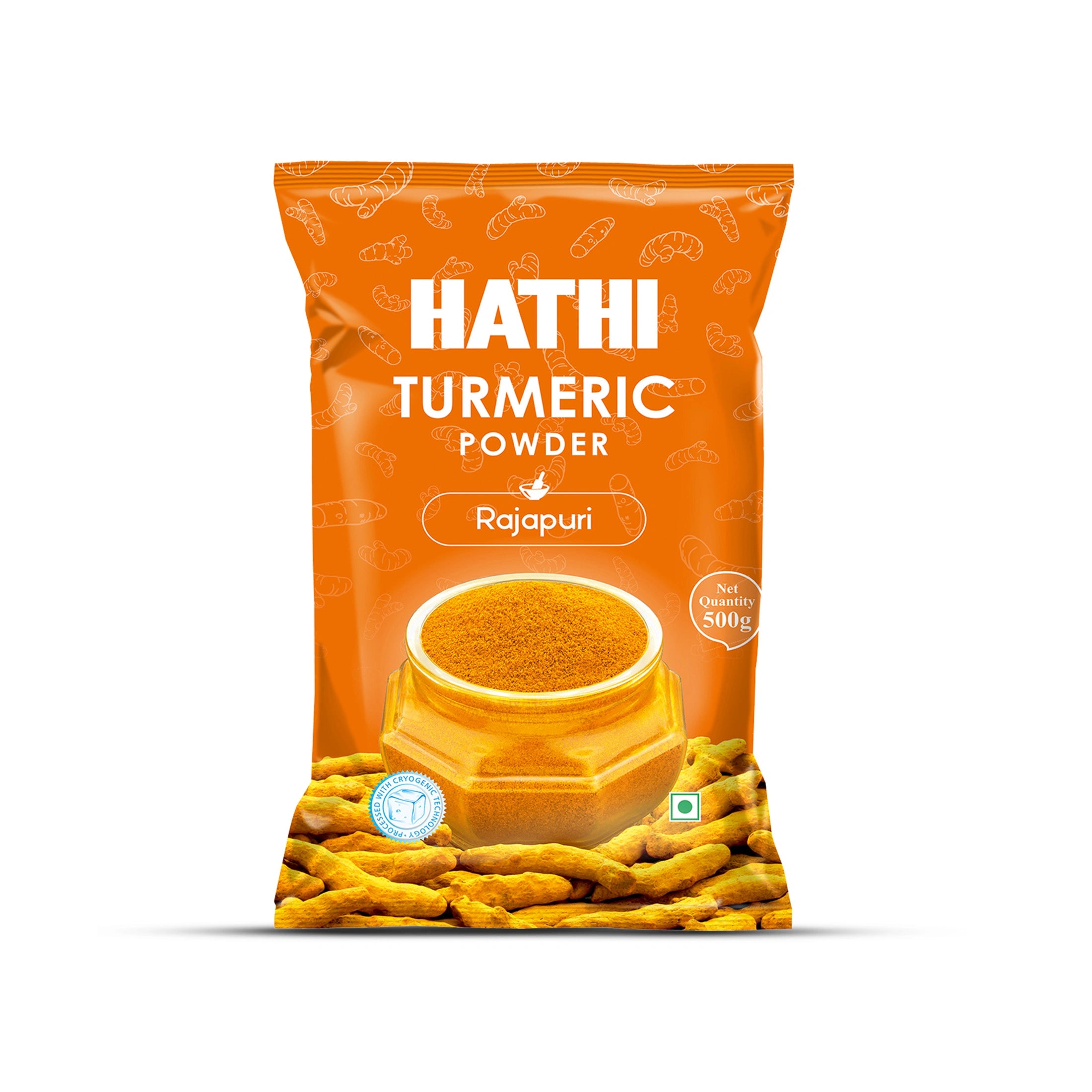
Before processing, raw spices are obtained from suppliers. Quality brands purchase whole spices from every corner of India, selecting a handful of varieties that naturally have higher oil and oleoresin content. For instance, chili varieties with high capsaicin or turmeric content, and those with strong curcumin, are purchased. Hathi Masala, for instance, buys raw materials from 17 Indian states to ensure the best quality for its specific spices.
Step 2: Inspection and Cleaning
Upon arrival, Spice is checked and cleaned by a machine that automatically removes any dirt and other impurities.
Step 3: Cooling with Liquid Nitrogen
This is the critical step. Before grinding, spices are cooled to -150°C using liquid nitrogen. This preserves the essential oils by preventing heat-induced loss or degradation.
Step 4: Grinding at Ultra-Low Temperature
When cooled, the spice is granulated in an air-conditioned chamber. Cold, brittle spice disintegrates into small particles approximately 50 microns in size (smaller than a human hair, which is 70 microns). The fine spice blends more easily and disperses better in food.
Step 5: Testing, Blending, and Packing
Once ground, spices are tested for quality on 20-plus parameters, including purity, moisture, color strength, aroma, etc. The blends (e.g., Garam masala or chole masala) are made according to precise formulas. The end product is filled under a fully automatic (zero-hand touch) system into a pack that maintains moisture and prevents contamination.
What Makes Cryogenic Spices Different from Regular Spices?
The question that really matters most to a buyer is:
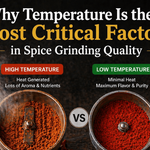
Standard grinding: when grinding in standard mills, the spices are passed through a high-speed mill, generating intense heat of 90-120 degrees C. At this temperature:
-
When volatile oils evaporate, they take the natural smell with them.
-
Colour compounds like capsaicin in chilli and curcumin in turmeric degrade
-
The complex composition of essential oils that gives each spice its individuality is broken down to a certain extent.
-
Moisture increases, which shortens shelf life
-
Standard ground particles are irregular, usually 500-1000 microns.
Studies indicate that traditional grinding can result in a 15-43% loss of a spice's volatile oils, depending on the type of spice and the length of grinding time.
When cryogenic grinding is maintained at -150 °C, the loss of volatile oils in both processes is limited to 3-10%. The comparison of the two processes on all the important quality parameters goes:
|
Quality Factor |
Cryogenic Grinding |
Conventional Grinding |
|---|---|---|
|
Temperature during grinding |
-150°C |
90 to 120°C |
|
Volatile oil retention |
90 to 97 percent |
57 to 85 percent |
|
Particle size |
Around 50 microns |
500 to 1000 microns |
|
Colour retention |
High, natural color preserved |
Lower, the color may fade |
|
Aroma intensity |
Strong and long-lasting |
Fades faster after opening |
|
Shelf life |
Extended due to low moisture |
Shorter |
|
Additives needed |
None required |
Often needed to compensate for losses |
Cryogenic spices are more potent, aromatic, and consistent than standard ones. The difference is clear.
5 Key Benefits of Cryogenic Spices
1. You Get More Flavor From Less Spice
Cryogenic spices are more concentrated on a gram-by-gram basis because they preserve sensitive volatile oils and oleoresins. This allows consumers to use 20% less while achieving the same or superior flavor and color. Cryogenic spices are now an affordable option for daily use, rather than just an exotic product.
2. Natural Color Without Artificial Dyes
Color derived from natural components for spices: capsaicin and carotene in red chili, curcumin in turmeric, which is restored without adding any further coloring agent. Preserved by grinding while keeping the temperature cold. It would be conscious customers who prefer natural ingredients to avoid additives in daily food.
3. Purer Product With Fewer Additives
As natural strength is retained, cryogenic spice producers can blend consumer-pleasing flavor, color, and aroma without adding any flavorings, artificial colorings, or preservatives. This ensures that the consumer receives exactly what they expected, and the spice package will look, taste, and smell as if it were purchased as the whole spice. As you will see, the label is still ‘clean’.
4. Longer Shelf Life
Cryogenic spices. Fewer rough edges and less water in these spices means they last longer. Extracts such as oils are crystallized out at sub-zero temperatures and packed in quality multi-layer packs to avoid wastage, especially in Indian kitchens where masala packs lie for months.
5. Finer Texture for Better Cooking Results
Since the particle size is ultra-fine (~50 microns), cryogenic spices are incorporated fully into any curry, marinade, or sauce. This means flavors and colors are evenly distributed, eliminating uneven patches. The end result is a consistent taste and appearance.
Why Indian Spice Brands Are Switching to Cryogenic Grinding
India’s spice industry long relied on conventional grinding because it was cheap and met market needs at the time. It is changing, and quickly, for several reasons.
Rising Consumer Awareness
Indian consumers now check labels, research brands, and become suspicious about what they eat. Export-related issues with big spice brands, FSSAI actions, 111 licenses revoked in 2024, and supervision from Nov 2024 to Feb 2025, during which lead in chili and illegal shades in turmeric were found, have made purity a mass issue, not a luxury.
Export Market Requirements
EU, US, and Middle Eastern importers have stringent quality requirements, including volatile oil standards, color values, and impurity limits. Cryogenic processing enables brands to consistently meet these standards. Suppliers are increasingly making this a requirement for serious export-oriented ingredient manufacturers.
The Clean Label Trend
Cryogenically ground spices have an unadulterated, natural color and aroma with no artificial additives. This presents the brands with a clear, honest story on the pack. The consumer wants to be able to buy a spice that is ‘pure’ by process, not on the label claim.
Hathi Masala set up India‘s first and largest cryogenic grinding plant in 2013. At that stage of its utilization, cryo technology was still virtually unknown in the Indian consumer spice market. Today, it is the benchmark for quality in spice processing, and the disparity between cryogenic and traditional-processing is increasingly evident to discerning purchasers.
Read: Cryogenic Grinding Technology in Spice Manufacturing
How to Identify Cryogenically Processed Spices
However, not all brands that advertise cryogenic grinding actually use it at scale. Below are some tips for empirically testing whether a brand appears committed to this technology.
Check the Packaging for Specific Claims
Authentic cryogenic brands will state the technology, the temperature (usually -150 degrees C or lower), and use liquid nitrogen. If they don‘t specify what they mean by ‘cold-processed’, time for an investigation.
Assess the Aroma and Color
The cryogenically processed spices should smell very fresh when you open the packet. Make sure you examine the color; it should be a deep, natural color. Red chili powder and turmeric should be a lovely deep natural red and golden yellow, respectively. Pale, bright, unnatural colors are nipping out warning signals.
Test the Potency in Your Kitchen
The key is even more true with truly powerful cryogenics. The less of it you need to achieve the same flavor effect as a larger amount of normal spice, the better the product's volatile oil content.
Verify the Certifications
Most popular cryogenic spice brands have certifications like FSSAI, ISO, FSSC 22000, or export certifications from the Spices Board of India and APEDA (Agricultural and Processed Food Products Export Development Authority), which provide evidence that these quality claims are not based on self-declaration but are validated by a third party.
Look Into the Manufacturer‘s Infrastructure
Cryogenic requires a significant capital outlay for equipment, liquid nitrogen, and process environments. New or smaller brands claiming cryogenic processing but having no history of manufacturing credentials should be scrutinized. Real cryogenic facilities are easily verified on the brand's manufacturing story.
FAQs About Cryogenic Spices
Can I eat cryogenic spices?
Absolutely. When done properly, there is no nitrogen left in the spice. By the time it reaches the ground, it will have completely evaporated. In fact, the spice should be cleaner and purer when frozen than when ground conventionally.
Are cryo-spices different from regular spices?
They taste closer to the whole spice itself. These not only retain the volatile oils that give the natural flavor but also have a more robust, realistic aroma. Several individuals who are unlikely to be intelligent, traditional-based masala-taste the difference between an old copy and the original.
Are cryogenic spices more expensive?
Technology and infrastructure are more expensive, and the cryogenic spices are likely to be sold at a small premium, perhaps 1 pence per pack over the mass-market conventional equivalent. Although you will use less (perhaps up to 20%), the effective cost per use is similar or lower in the long term.
Which spices are most suitable for cryogenic grinding?
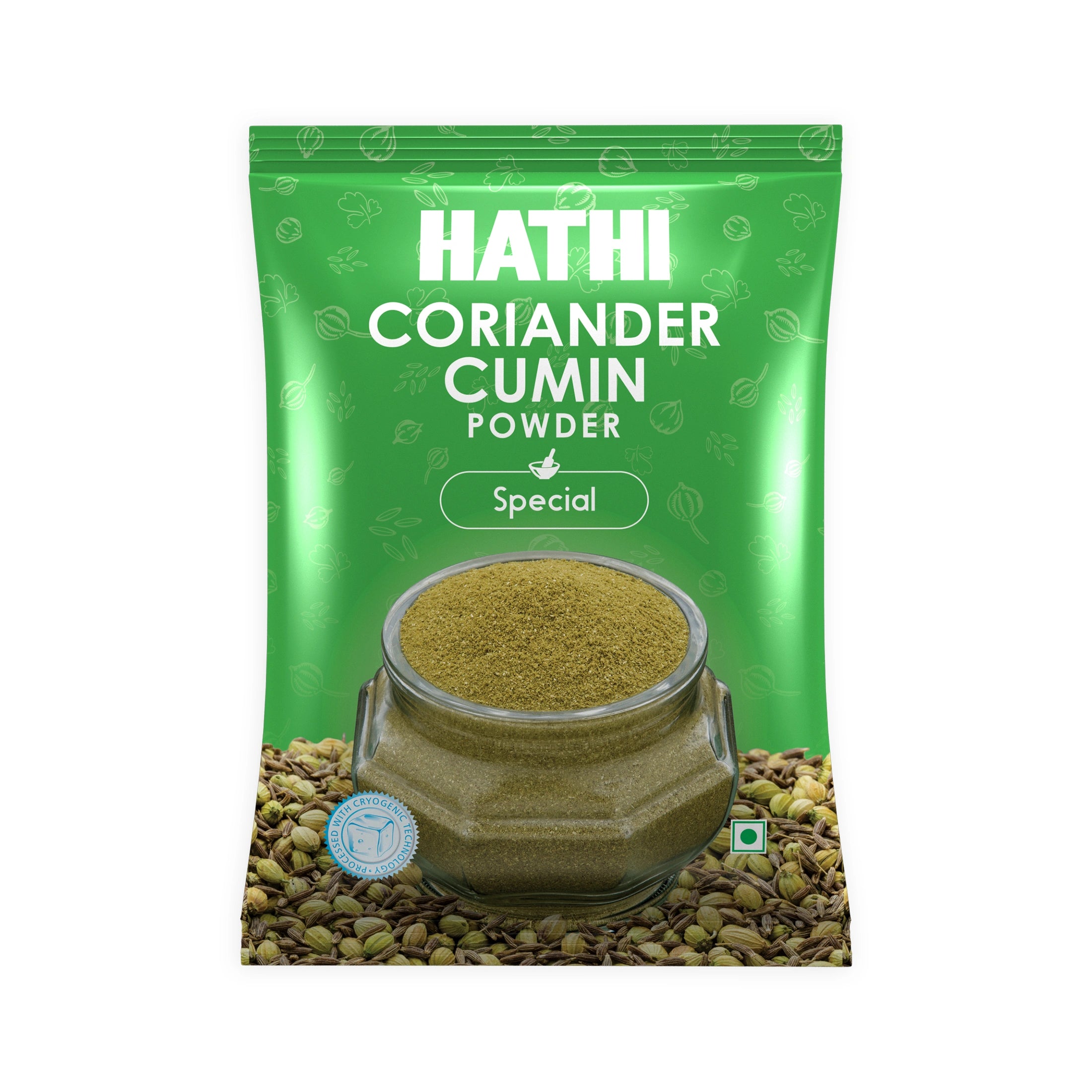
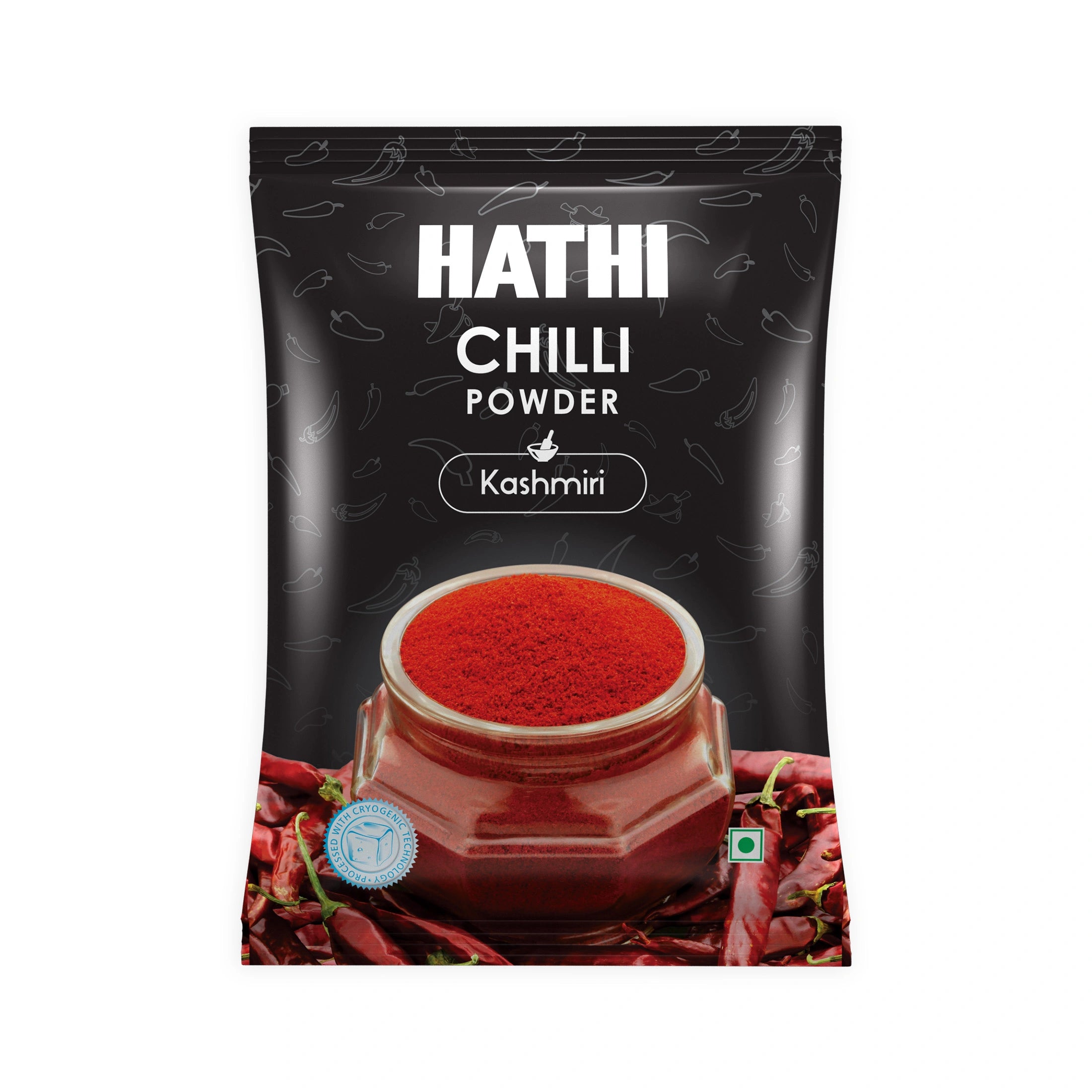
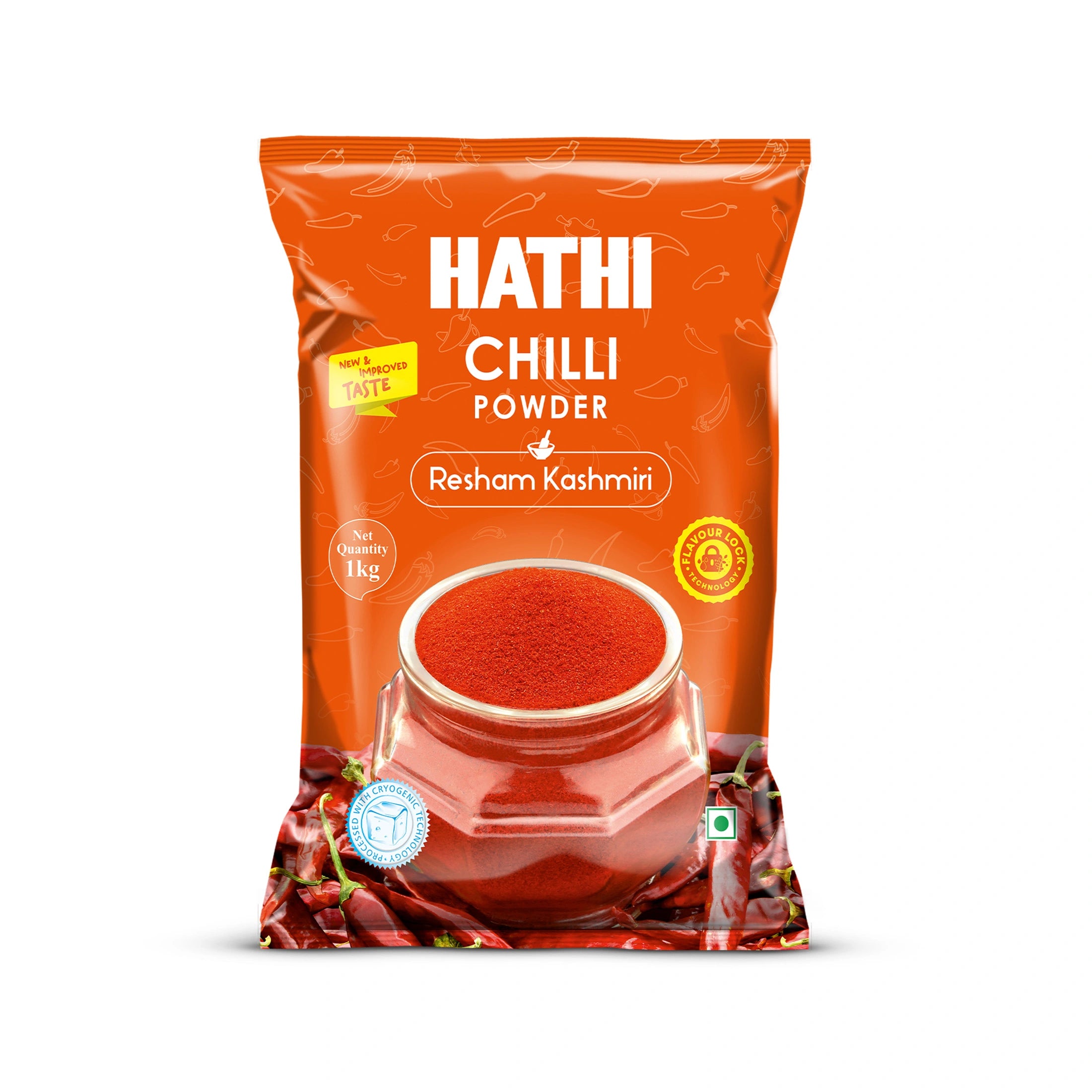
The ones with high volatile oil contents benefit more. These are cumin (jeera), red chili, turmeric, black pepper, coriander, and cardamom. In the case of blended masalas like garam masala and sambar powder, where the aroma comes from a variety of spices, the difference is very noticeable.
Are cryogenic grinding and cold grinding the same?
Yes. Cold grinding (or cryo-grinding) is normally defined as grinding at low temperature, but it is not necessarily very low, as achieved by adding liquid nitrogen. Actual cryogenic grinding involves the addition of liquid nitrogen (-150 degrees C or lower), which is much colder than commonly used cold grinding, and produces much better volatile oil retention.
How do I know what brands actually use cryogenic grinding?
Watch out for references to liquid nitrogen, processing temperatures, certifications, and manufacturing infrastructure. Companies with dedicated cryogenic facilities will usually promote this heavily, as it is a significant investment and a genuine point of quality difference. Request certification if you are buying wholesale or for business use.
The Bottom Line
The spice in your kitchen may seem ordinary. But the distinction between a masala that elevates a dish and one that just looks pretty is nearly always down to processing.
Cryogenic grinding, contrary to a marketing gimmick, is a well-proven edible science: remove heat during the grinding process and preserve the oils, color, and flavor that make spices so distinctive.
On a practical level, this translates into more flavorful herbs and spices, less filler, and a healthier product. For consumers who care about quality, it is also the most obvious indicator that a brand is committed to protecting what matters beyond the package.
Next time you buy a pack of masala, don't look at the recipe on the back; look inside. Find out just how the spice had been manufactured. That‘s where the real quality story is.