









Restaurant-Style Dum Aloo Recipe, Easy Step-by-Step Guide
 Sagar Dubal

22 June 2026
Dum aloo is a famous North Indian dish. Made by slow-cooking the soft baby potatoes in a creamy onion-tomato masala base. You can make this restaurant-style, rich, and creamy Punjabi dum aloo at home in just 35 minutes using some simple whole spices and masalas you find in every Indian kitchen. The word "dum" refers to slow cooking over a low flame, which makes the potatoes soft enough to melt in your mouth.
You don’t need any fancy tools or a tandoor to make the perfect dum-aloo at home. All you need is a little patience and the perfect daily-use spices to make a rich restaurant-style version at home.
What you’ll learn:
- How you can make creamy restaurant-style dumaloo at home
- Which masalas add the deep, warm taste to the gravy that everyone loves
- Some simple tricks that make potatoes soft and melt-in-the-mouth
- Multiple variants like Kashmiri and Jain for no onion, no garlic cooking
Some famous variants of dum aloo:
- Punjabi: A creamy variety. This is made with an onion-tomato-cashew paste and yogurt.
- Kashmiri: Made with yogurt and whole spices. No onion or tomato is used.
- Bengali: A lighter, slightly sweet variant. It’s often served with puri or pulao.
Ingredients (Serves 4)
To prep the potatoes:
- 500g baby potatoes (or regular 1.5-inch potato cubes)
- 3 tbsp oil for frying
- Water for boiling
For the gravy:
- 2 medium onions, boiled and blended into a paste
- 2 tomatoes (puree)
- 10-12 cashews (soaked for 10 minutes)
- 1 tsp ginger-garlic paste
- 1 green chilli (optional)
- 1 bay leaf
- 2 clove pods
- 2 green cardamoms
- 2 tbsp oil
- 1/4 cup plain yogurt (curd), whisked smooth
- 1/2 tsp Hathi Masala Turmeric Powder
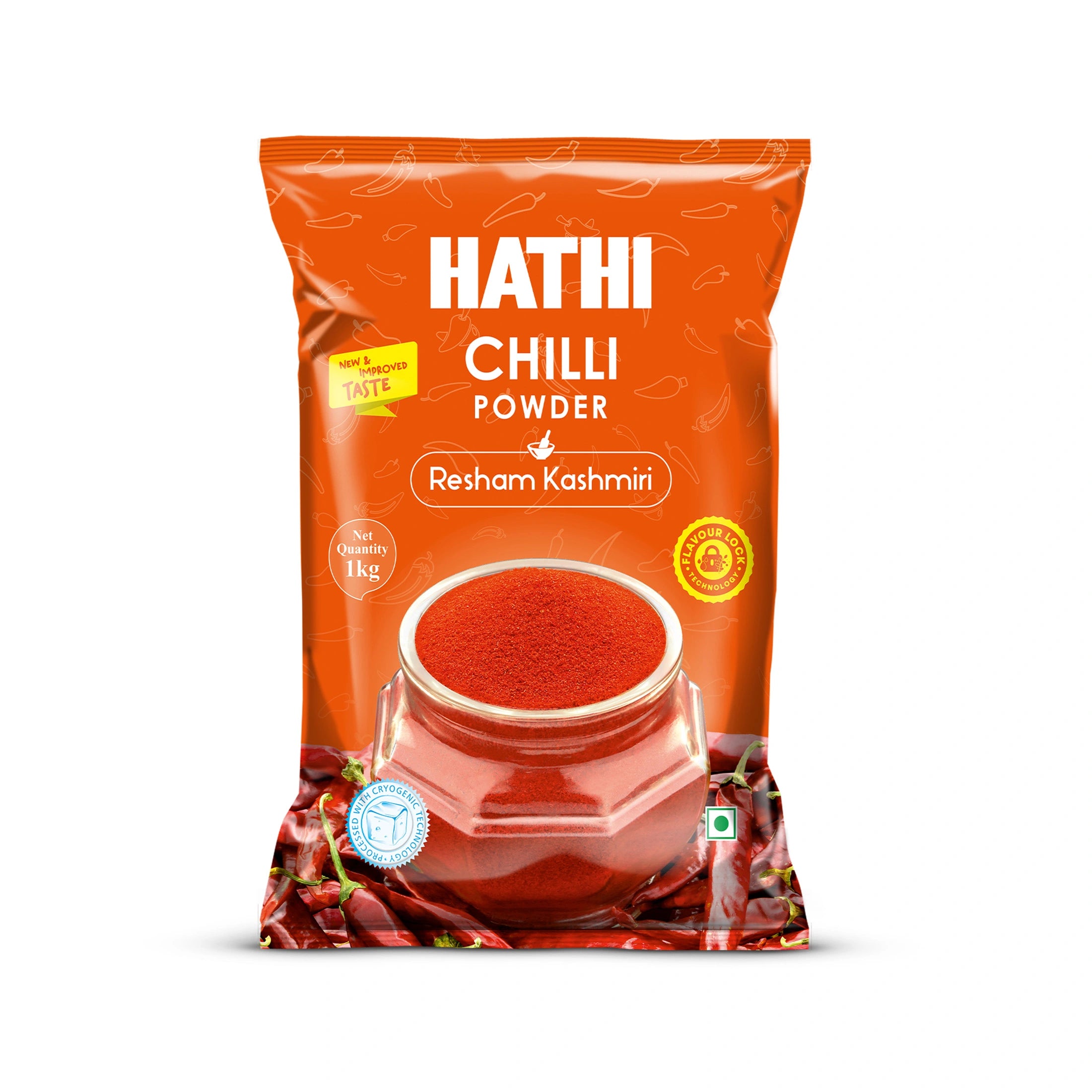
- 1 tsp Hathi Masala Kashmiri Chilli Powder
- 1 tsp Hathi Masala Dhana Jeera Powder
- 1 tsp Hathi Masala Garam Masala
- 1/2 tsp Hathi Aakhri Masala as finishing spice
- 3/4 tsp sugar
- 1 tsp crushed kasuri methi
- Salt to taste
- Freshly chopped coriander leaves
Note: Boil the onions for 6-8 minutes before grinding them into a paste. This step removes the bitter, raw smell of onions that can spoil the gravy.
How to make dum aloo (Step by Step)

Step 1: Boil 3-4 cups of water, then add the baby potatoes with salt and a little oil. Half-cook the potatoes for 7-8 minutes. Prick one with a knife. It should feel hard, but go in halfway. Drain fully and let them cool.
Step 2: Take 3 tbsp preheated oil or ghee in a pan over medium-high heat. Add the potatoes and fry until golden brown. Turn them continuously so they cook evenly from all sides. This procedure takes 4-5 minutes. Remove the potatoes and set aside.
Step 3: After they have cooled, prick each potato 2-3 times with a fork. The small holes soak the gravy deep into every bite, making each one full of flavor. This is the trick most people who cook the dish at home skip.
Step 4: Heat 2 tablespoons of oil in a kadai or a pan. Add the whole spices, such as bay leaf, cloves, and green cardamom, and let them sizzle for 20-30 seconds. Add the ginger-garlic paste along with chopped green chili. Sauté the masala for 1 minute.
Step 5: Add the onion paste, along with the tomato puree and cashew pastes. Cook the gravy over medium heat, stirring frequently to prevent sticking. Continue until the oil separates and appears at the edges. This removes the raw odor and bitterness by adding the beautifully rich, deep flavor.
Step 6: Add your masalas such as turmeric, Kashmiri chili powder, dhana jeera powder, garam masala, sugar, and salt while stirring the gravy. Mix the masala well into the gravy, then cook everything for 2-3 minutes. Sprinkle a little water if it sticks to the pan. Sugar helps balance the sourness.
Step 7: Take some homemade yogurt or curd, then add 2 spoons of the prepared gravy. It warms the curd slowly. Pour this curd-and-masala mixture into the pan. Give it a good stir and cook for 2 minutes, until it has a creamy texture.
Step 8: Finally, add the fried, pricked potatoes along with 0.5 to 1 cup of warm water. Boil it for a minute, then cover and cook it over low heat for 5-7 minutes. This slow-cooking method is called "dum," and the potatoes absorb the gravy during the dum procedure.
Step 9: Finally, add about 0.5 tsp of Hathi Aakhri Masala and crushed kasuri methi leaves. Always rub the methi between your palms before adding it. Then cover it for 2 minutes to let the flavors settle. Garnish the dish with freshly chopped coriander before serving.
How to serve dum aloo
Serve it hot with any of these:
- With naan or roti
- With jeera rice or pulao
- With ghee rice
- With puri or paratha
Garnish the dish with a swirl of fresh cream and chopped coriander on top before serving.
Some other ways to make dum aloo
Kashmiri dum aloo (no onion, no tomato)
The Kashmiri variant is made without onion and tomato. Make the gravy by adding whisked yogurt, Kashmiri chili powder, fennel powder, and dry ginger powder. The color stays bright red, and the taste is tangy and warm.
Jain dum aloo (no onion, no garlic)
Onion, garlic, or ginger should be avoided in Jain dishes. Cook the gravy with cumin seeds and 1 teaspoon of hing (asafoetida), then add tomato puree and cashews. The masalas still give a full, satisfying flavor.
Instant pot dum aloo
You can skip frying the potatoes if you’re using an Instant Pot. Sauté the base masala on sauté mode, then add yogurt, diced potatoes, and water. Pressure cook everything for 4 minutes. Add the crushed kasuri methi at the end, in sauté mode.
Expert tips
- Half-boil the potatoes before frying. Raw potatoes won’t cook properly during the short-dum stage.
- Prick the potatoes. This is one of the biggest reasons restaurant dum aloo has more flavors than homemade dum aloo.
- Boil the onions before grinding. Raw onion often makes the entire gravy bitter.
- Add aakhri masala at the very end. Adding finishing masala early loses its aroma when heated.
- Use Kashmiri chili to add color. It adds a deep red color to the gravy without making it too spicy for kids.
Storage and reheating
- Store the leftover dum aloo in an airtight glass jar or steel dabba. Keep the jar in the fridge, and it stays fresh for up to 2 days.
- The gravy turns thick when it’s cold. Splash 2-3 tablespoons of water while reheating, then warm it over a low heat.
- You can freeze the gravy of dum aloo alone for up to a month. Always freeze it without the potatoes, because potatoes turn grainy after defrosting.
Frequently asked questions
1. What is dum aloo?
This is a North Indian potato curry. It’s made with baby potatoes cooked slowly over a low flame in a spiced gravy. "Dum" means slow steam cooking, and "aloo" means potato. The slow finish lets the potatoes soak up the masala, making them soft and full of flavor.
2. Why does my dum aloo gravy taste bitter?
It can happen if the onion paste is raw. Always boil the onions for 6-8 minutes before blending or crushing them to remove the bitterness. Add a pinch of sugar at the spice stage. It balances any leftover tang from the tomato and yogurt.
3. Which spices are used in dum aloo?
The main spices used to make the perfect dish are turmeric, Kashmiri chili powder, cumin-coriander powder, and garam masala. You can also use a high-quality garam masala, such as Hathi Garam Masala. Using this masala, you don’t need to measure many separate spices. A finishing masala at the end gives the restaurant-style fragrance.
4. Can I make dum aloo without frying the potatoes?
Yes. Instead of frying them, you can boil them and use them directly. This is the healthier way. But the frying step gives you the soft, melt-in-mouth texture that dhabas are known for. If you skip frying, still prick the potatoes so they absorb the gravy.
5. How do I make dum aloo less spicy for kids?
You should use Hathi Masala Kashmiri Chilli Powder instead of regular chilli powder. It adds a bright red colour with very mild spice. You can also add 1-2 spoons of cream or fresh malai at the end to reduce the heat.
6. What is the difference between Punjabi and Kashmiri dum aloo?
Punjabi dum aloo is made with an onion-tomato-cashew gravy and yogurt. These things make it creamy and rich. Kashmiri dum aloo is made without using onion and tomato. It uses only yogurt and spices, which is why it’s tangier and brighter red. Both are slow-cooked in dum.
7. Can I use big potatoes instead of baby potatoes?
Yes. All you have to do is cut the regular potatoes into smaller cubes, so they cook evenly. Baby potatoes look prettier than regular potatoes and are traditional, but they taste the same.
8. Why do restaurants prick the potatoes?
Pricking means to poke small holes in the potato. These holes help the potatoes cook nicely and absorb the gravy. This is why a restaurant dum aloo tastes flavourful all the way through, while a home version can taste plain inside.